

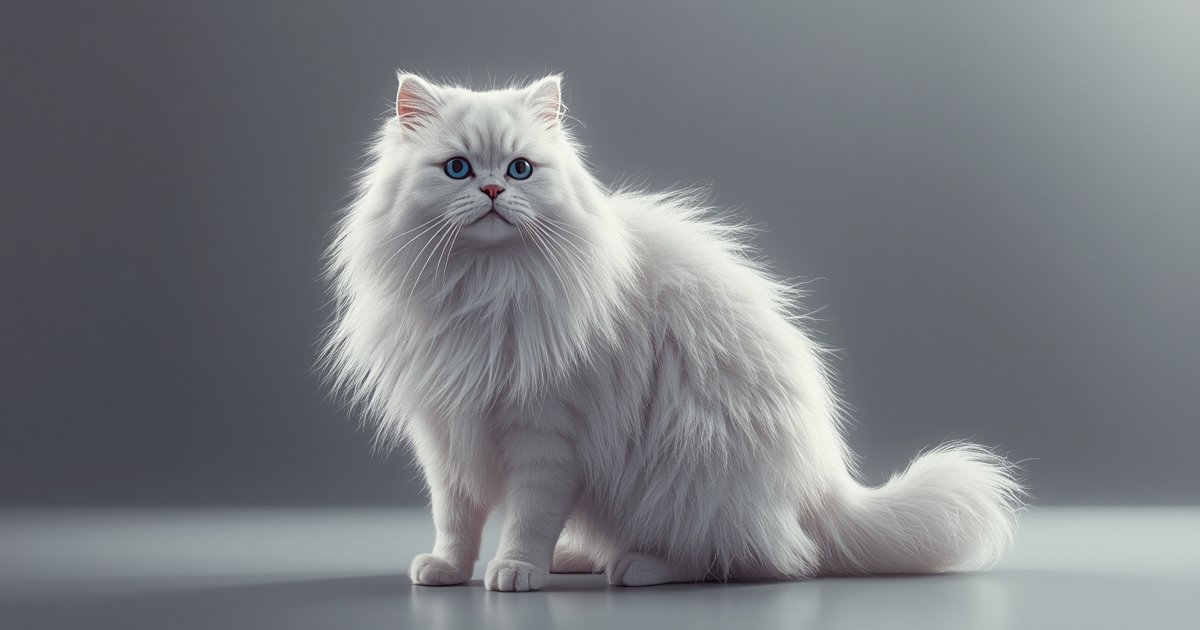
Discover the ultimate secrets to maintaining your Persian cat’s magnificent coat. Effective Persian grooming goes beyond just aesthetics; it’s vital for their health and happiness. By embracing the right techniques and tools, you can ensure your beloved feline friend enjoys a life of comfort, free from mats and skin issues, radiating that signature royal shine well into 2026. This comprehensive guide will arm you with everything you need for top-tier Persian grooming.
The Unique Challenges of Persian Grooming
The Persian cat, renowned for its luxurious, long coat and sweet disposition, presents unique grooming challenges that owners must understand. Unlike short-haired breeds, their extensive fur requires dedicated attention to prevent matting, skin irritation, and discomfort. Ignoring these needs can lead to serious health problems, making a consistent Persian grooming routine absolutely non-negotiable.
Understanding the Persian Coat
A Persian cat’s coat is typically a double coat, consisting of a soft, dense undercoat and a long, silky topcoat. This combination, while beautiful, is highly prone to tangles and mats if not brushed regularly. The fine texture of their fur can easily trap loose hair, dirt, and debris, forming painful knots close to the skin.
The length of their hair means that shedding, while continuous, can result in significant hair accumulation, which further contributes to matting. Understanding the unique structure of their coat is the first step in effective Persian grooming. It helps you choose the right tools and techniques to penetrate both layers of fur.
Common Grooming Pitfalls to Avoid
Many new Persian owners underestimate the commitment required for proper coat maintenance. One of the biggest pitfalls is infrequent brushing. A day or two without brushing can quickly turn a manageable coat into a matted mess, especially in high-friction areas like behind the ears, armpits, and hind legs.
Another common mistake is using the wrong tools. Brushes designed for short-haired cats or human hair will simply glide over the surface, failing to address the undercoat where mats often begin. Over-bathing or using harsh shampoos can strip the coat of its natural oils, leading to dry skin and a dull appearance. Lastly, neglecting other essential aspects of Persian grooming, such as eye and ear cleaning, can lead to infections and discomfort.
Essential Tools for Effective Persian Grooming
Having the right arsenal of grooming tools is crucial for any Persian owner. Investing in quality equipment specifically designed for long-haired cats will make the process much smoother for both you and your feline. These tools are the foundation of successful Persian grooming.
A Guide to Brushes and Combs
The backbone of your grooming kit should include several types of brushes and combs. Each serves a specific purpose in maintaining your Persian’s magnificent coat.
– **Slicker Brush:** This brush features fine, short wires packed closely together on a flat surface. It’s excellent for removing loose hair, detangling superficial knots, and stimulating circulation. Use it gently to avoid scratching the skin.
– **Metal Comb (Wide-toothed and Fine-toothed):** A good quality metal comb is indispensable. Start with the wide-toothed section to work through larger tangles and ensure you reach down to the skin. Follow up with the fine-toothed side to catch any smaller knots and ensure thorough detangling. This is particularly important for the initial stages of Persian grooming.
– **Pin Brush:** With long, widely spaced pins, this brush is good for general daily brushing and fluffing the coat without pulling too much. It’s gentle and helps distribute natural oils.
– **Undercoat Rake:** For extremely dense undercoats, an undercoat rake can help safely remove loose, dead hair that contributes to matting. Use it with caution and a light hand to avoid irritating the skin.
Specialty Grooming Products for Persians
Beyond brushes, certain products can enhance your Persian grooming efforts, keeping their coat healthy and vibrant.
– **Cat-Specific Shampoo and Conditioner:** Always use products formulated for cats, ideally those designed for long-haired breeds or sensitive skin. Look for pH-balanced, tear-free formulas that are gentle and moisturizing.
– **Detangling Spray:** A good detangling spray can make brushing more manageable, especially when encountering minor knots. It lubricates the hair, allowing the comb to glide through more easily.
– **Eye Wipes/Solution:** Persians are prone to tear staining due to their unique facial structure. Specialized wipes or solutions help keep the eye area clean and prevent discoloration.
– **Ear Cleaner:** A vet-approved ear cleaning solution is essential for maintaining ear hygiene and preventing infections.
– **Nail Clippers:** Invest in sharp, good-quality nail clippers designed for cats to make trimming quick and stress-free.
Comparison of Top Grooming Tools for Persian Cats
Regular, effective Persian grooming depends heavily on the quality and type of tools you use. Here’s a comparison of some popular options that cater to the unique needs of a long-haired Persian cat.
| Product | Price | Pros | Cons | Best For |
|---|---|---|---|---|
| FURminator Long Hair Deshedding Tool | $30-45 | Significantly reduces shedding; reaches deep into the undercoat; ergonomic handle. | Can be too aggressive if not used gently; not for daily use; requires careful technique. | Periodic deep deshedding for heavy shedding periods. |
| Safari De-matting Comb | $10-15 | Effectively breaks up mats and tangles; sharp blades cut through tough knots; safe rounded tips. | Requires careful handling to avoid skin irritation; not for general brushing. | Targeted removal of existing mats and tangles. |
| Chris Christensen Big G Slicker Brush | $55-70 | Premium quality; extra-long pins reach deep into thick coats; highly effective for fluffing and detangling. | Higher price point; larger size might be awkward for small kittens or specific areas. | Professional-grade daily brushing and show-quality finish. |
| Hertzko Self Cleaning Slicker Brush | $15-25 | Affordable; self-cleaning button retracts bristles for easy hair removal; gentle on sensitive skin. | Bristles might not be long enough for the densest Persian coats; less durable than premium options. | Everyday brushing and maintenance for medium-density coats. |
Step-by-Step Daily and Weekly Grooming Routine
Consistency is key when it comes to Persian grooming. Establishing a routine will not only keep your cat looking pristine but also strengthen your bond and make the grooming process less stressful over time.
Daily Brushing Techniques
Daily brushing is the cornerstone of effective Persian grooming. Even if your cat has a relatively short “kitten cut,” a quick daily brush is highly beneficial.
1. **Prepare Your Space:** Choose a quiet, comfortable spot where your cat feels secure. Place a non-slip mat or towel down to make them more stable. Have all your tools ready.
2. **Start Gently:** Begin with a pin brush or a wide-toothed comb. Always brush in the direction of hair growth. Start from the head and work your way down to the tail, paying extra attention to areas prone to matting: behind the ears, under the chin, in the “armpits,” and on the belly and hind legs.
3. **Section the Coat:** For very dense coats, use one hand to part the hair and brush small sections at a time. This ensures you reach the undercoat and don’t just skim the surface.
4. **Use the Slicker Brush:** Once major tangles are out with the comb, follow up with a slicker brush to remove loose hair and smooth the coat. Be very gentle, especially around sensitive areas.
5. **Check for Mats:** Run your fingers through the entire coat to feel for any small knots or mats that might have been missed. Address them immediately with a de-matting comb or your fingers, separating them gently. Never pull on mats. If a mat is too tight, it may require professional attention.
6. **End on a Positive Note:** Always make daily brushing a positive experience. Offer treats, praise, and gentle petting afterwards. This helps your cat associate Persian grooming with pleasant feelings.
Weekly Bathing: Making it a Stress-Free Experience
While daily brushing keeps mats at bay, a regular bath (typically every 2-4 weeks, depending on your cat’s activity level and coat condition) is essential for removing dirt, excess oil, and dander that brushing alone cannot tackle. Bathing is a critical component of thorough Persian grooming.
Preparing for the Bath
Preparation is key to a calm bathing experience.
– **Pre-Bath Brushing:** Thoroughly brush your cat before the bath. Any mats present will tighten when wet, becoming nearly impossible to remove and causing immense discomfort. This is a non-negotiable step in effective Persian grooming.
– **Gather Supplies:** Have everything within reach: cat-specific shampoo and conditioner, towels, a non-slip mat for the tub, a cup or pitcher for rinsing, and a cotton ball for ears.
– **Warm Water:** Fill the tub with a few inches of lukewarm water – not hot, not cold.
– **Secure Environment:** Close the bathroom door. Consider having a helper to hold your cat gently.
Bathing Procedure
Keep the process as quick and efficient as possible to minimize stress.
1. **Wet the Coat:** Gently place your cat in the water. Use a cup or shower sprayer (on a very low setting) to thoroughly wet their coat, starting from the neck down, avoiding the face.
2. **Apply Shampoo:** Lather a small amount of cat shampoo in your hands and gently work it into the coat. Focus on getting it down to the skin. Be gentle; do not scrub aggressively. Work from neck to tail.
3. **Rinse Thoroughly:** This is crucial. Residue left behind can irritate the skin and dull the coat. Rinse until the water runs completely clear, paying close attention to the armpits and belly.
4. **Apply Conditioner:** If using, apply cat conditioner and let it sit for the recommended time before rinsing thoroughly. Conditioner helps moisturize the skin and makes future brushing easier.
5. **Face Cleaning:** Use a damp washcloth or special eye wipes to gently clean around the eyes and face, avoiding direct water stream.
Drying and Finishing Touches
Proper drying is just as important as the bath itself for preventing skin issues and tangles.
– **Towel Dry:** Immediately after rinsing, wrap your cat in a warm, absorbent towel. Gently blot and squeeze the excess water from their fur. Do not rub vigorously, as this can create tangles.
– **Blow Dry (Optional and Cautious):** Many Persians tolerate a blow dryer on a *low heat* and *low speed* setting. Keep the dryer moving constantly, holding it a safe distance from the coat. Never use high heat. Continue brushing gently with a pin brush as you dry to prevent tangles and fluff the coat. If your cat is terrified of the dryer, air-dry in a warm room, but be diligent with brushing as they dry to prevent mats.
– **Final Brush:** Once completely dry, give your cat a final thorough brush to ensure no tangles have formed during the drying process and to restore their magnificent fluff. This meticulous final step completes your Persian grooming session.
Beyond the Brush: Eye, Ear, and Nail Care
While coat maintenance takes center stage in Persian grooming, neglecting other aspects of their hygiene can lead to discomfort and health issues. Regular attention to their eyes, ears, and nails is equally important for their overall well-being.
Maintaining Crystal-Clear Eyes
Persian cats are known for their brachycephalic (flat) faces, which can lead to excessive tearing and tear staining. This is a common and important aspect of Persian grooming.
– **Daily Wiping:** Gently wipe your cat’s eyes daily with a soft, damp cloth or a specialized eye wipe. Use a fresh part of the cloth for each eye to prevent potential cross-contamination.
– **Tear Stain Removal:** For existing tear stains, use a cat-safe tear stain remover solution. Follow the product instructions carefully. Consistency is key to lightening and preventing future stains.
– **Monitor for Discharge:** Keep an eye out for any unusual discharge, redness, or swelling around the eyes. These could be signs of an infection or other health issues requiring veterinary attention.
Gentle Ear Cleaning Practices
Regular ear checks and gentle cleaning can prevent ear infections and wax buildup, crucial for comprehensive Persian grooming.
– **Weekly Check:** Lift your cat’s ears and inspect the ear canals weekly. Look for any redness, swelling, unusual odor, or dark waxy buildup.
– **Gentle Cleaning:** If the ears look slightly dirty, use a vet-approved ear cleaning solution. Apply a few drops into the ear canal (following product instructions) and gently massage the base of the ear for 30 seconds.
– **Wipe Away Debris:** Use a cotton ball or soft cloth wrapped around your finger to gently wipe away any visible dirt or wax from the outer ear canal. Never use cotton swabs inside the ear canal, as this can push debris further in or damage delicate structures.
– **Seek Vet Advice:** If you notice excessive discharge, a strong odor, pain, or if your cat is shaking its head frequently, consult your veterinarian.
The Art of Nail Trimming
Trimming your Persian’s nails every 2-4 weeks prevents them from becoming overgrown, which can cause discomfort, lead to ingrown nails, or damage furniture.
– **Familiarize Your Cat:** Start by gently touching your cat’s paws regularly to get them accustomed to the sensation.
– **Use Proper Clippers:** Invest in sharp, good-quality nail clippers designed for cats. There are scissor-style and guillotine-style options; choose what you find most comfortable.
– **Locate the Quick:** Hold your cat’s paw firmly and gently press on the paw pad to extend the claw. You’ll see the “quick” – the pink part of the nail that contains blood vessels and nerves. Never cut into the quick, as it’s painful and will bleed.
– **Trim Only the Tip:** Trim only the sharp, clear tip of the nail, just before the quick. If your cat has dark nails, trim tiny bits at a time until you see a small, dark dot in the center, which indicates you’re close to the quick.
– **Reward and Praise:** Always reward your cat with treats and praise after trimming to create a positive association with the process. If you’re unsure or uncomfortable, ask your vet or a professional groomer for a demonstration.
Diet, Health, and Professional Persian Grooming
Beyond daily routines, a Persian cat’s diet plays a vital role in coat health. Knowing when to call in professional help and how to safely manage difficult situations are also crucial aspects of effective Persian grooming.
Nutrition’s Role in Coat Health
A healthy diet is the foundation of a healthy coat. What your Persian eats directly impacts the luster, strength, and overall condition of their fur.
– **High-Quality Protein:** Ensure your cat’s food has a high percentage of animal-based protein. Protein is essential for hair growth and strength.
– **Omega Fatty Acids:** Look for foods rich in Omega-3 and Omega-6 fatty acids (like fish oil, flaxseed). These promote healthy skin and a shiny, soft coat. Some owners also supplement with Omega oils, but always consult your vet first.
– **Vitamins and Minerals:** A balanced diet provides essential vitamins (especially Vitamin A, E, and Biotin) and minerals (like Zinc) that support skin and coat health.
– **Hydration:** Adequate water intake is crucial for overall health, including skin and coat condition. Ensure fresh water is always available, and consider incorporating wet food into their diet.
– **Avoid Fillers:** Opt for foods with minimal fillers, artificial colors, and by-products, which can sometimes lead to skin sensitivities or dull coats.
Recognizing When to Seek Professional Help
While DIY Persian grooming is achievable, there are times when professional intervention is necessary and highly recommended.
– **Severe Matting:** If your cat develops severe, tight mats close to the skin, especially if they’re extensive or causing skin irritation, do not attempt to cut them out yourself. This can be extremely dangerous, leading to severe cuts or injury to your cat. Professional groomers have the right tools (like clippers with safety blades) and expertise to remove mats safely, often requiring a full shave-down.
– **Aggressive or Anxious Cats:** If your cat becomes overly aggressive, stressed, or fearful during grooming sessions, a professional groomer can often handle them more effectively and safely. They might use specialized techniques or have a calmer approach.
– **Regular Maintenance:** Even if you groom at home, a professional groomer can provide a “full service” treatment every few months, including a thorough bath, blow-dry, sanitary trim, and lion cut if desired. This can help maintain optimal coat condition and give you a fresh start.
– **Health Concerns:** If you notice persistent skin issues, excessive shedding, or changes in coat texture despite proper care, consult your veterinarian. These could be signs of underlying health problems.
Handling Matting and Tangles Safely
Mats are the bane of Persian grooming, but with careful handling, minor ones can be managed at home.
– **Prevention is Best:** The best way to deal with mats is to prevent them through daily brushing.
– **Finger Combing:** For small, loose tangles, try to gently tease them apart with your fingers first.
– **Use a Dematting Tool:** For slightly larger, but not too tight, mats, a dematting comb or rake can be useful. Work slowly, section by section, starting from the outer edge of the mat and gradually working your way inward. Always protect the skin by placing your fingers between the mat and the skin.
– **Never Pull or Rip:** Pulling on mats is incredibly painful for your cat and can damage their skin.
– **When to Cut (Extreme Caution):** If a mat is small and located in an area where skin is not loose (e.g., tip of the tail, never near armpits or belly), you might carefully use blunt-nosed scissors. Always insert a comb between the mat and the skin, then cut above the comb. This creates a barrier to prevent cutting the skin. However, this is risky and generally best left to professionals. When in doubt, call your groomer or vet.
Your Persian cat’s magnificent coat is a defining feature, and with dedicated, consistent Persian grooming, you can ensure it remains healthy, shiny, and tangle-free. By understanding their unique needs, using the right tools, and establishing a regular routine for brushing, bathing, eye care, ear care, and nail trims, you’ll be well-equipped to unlock their royal shine for years to come. Remember that proper nutrition and knowing when to seek professional help are equally vital components of their overall well-being. Embrace these top grooming secrets, and you’ll not only enhance your cat’s beauty but also deepen the special bond you share.
For more insights into feline care and to discover other articles that can enrich your pet ownership journey, we invite you to explore our extensive blog.
Frequently Asked Questions
What is the most common grooming mistake for Persian cats?
The most common mistake is infrequent brushing. Persian cats have long, dense coats that can quickly develop painful mats if not brushed daily. Skipping even a day or two can lead to significant tangles.
How often should I bathe my Persian cat?
Most Persian cats benefit from a bath every 2-4 weeks. This helps remove dirt, excess oils, and dander that daily brushing can’t eliminate, keeping their coat clean and healthy. However, some cats may need more or less frequent baths depending on their lifestyle and coat condition.
Can I use human shampoo on my Persian cat?
No, you should never use human shampoo on your cat. Human shampoos are formulated for a different pH level than a cat’s skin and can cause dryness, irritation, and damage to their coat. Always use a cat-specific, pH-balanced shampoo, preferably one designed for long-haired or sensitive-skinned breeds.
What should I do if my Persian cat gets a large mat?
For large or tight mats, it’s best to seek professional help from a groomer or veterinarian. Attempting to cut out severe mats yourself can be very dangerous and may result in accidentally cutting your cat’s skin, which is often very thin beneath the mat.
How can I prevent tear stains on my Persian cat?
To prevent tear stains, gently wipe your Persian cat’s eyes daily with a soft, damp cloth or specialized eye wipes. Regular cleaning helps remove moisture and debris that contribute to staining. For existing stains, cat-safe tear stain removers can be used according to product instructions.
Is it normal for Persian cats to shed a lot?
Yes, Persian cats are known for being moderate to heavy shedder due to their double coat. Regular, daily brushing is essential to manage shedding, remove loose hair, and prevent it from forming mats. Increased shedding can also occur seasonally.
Leave a Reply