

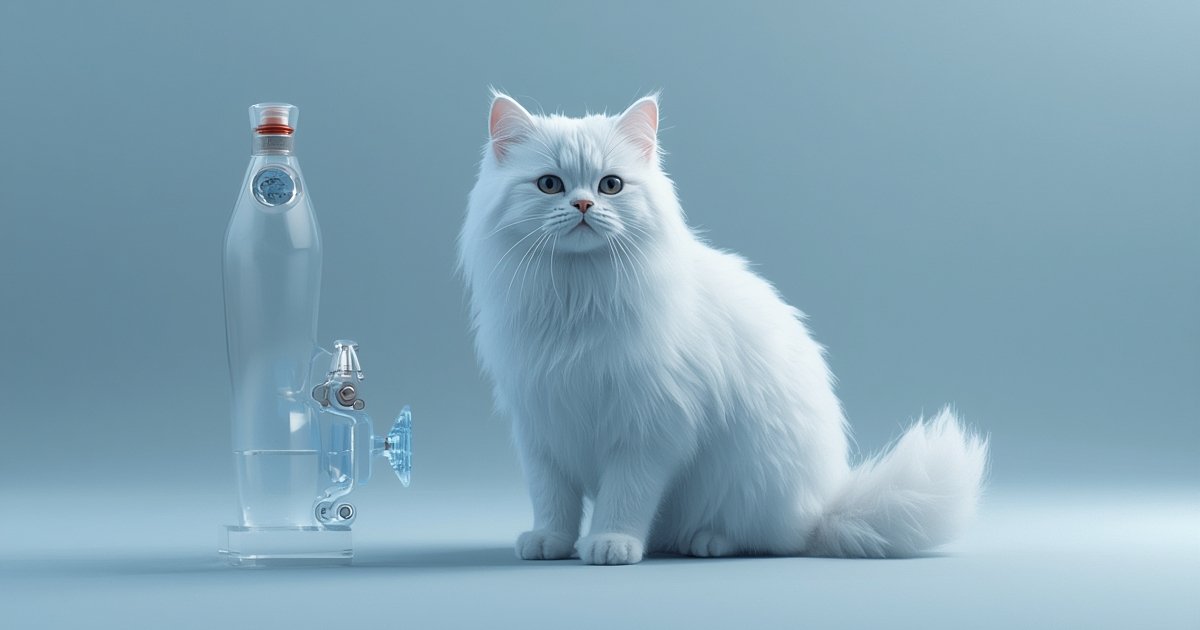
Unlock the secrets to your Persian cat’s well-being for a thriving 2026 and beyond. These majestic felines, known for their luxurious coats and sweet dispositions, require a specialized approach to care. Ensuring optimal Persian Health means understanding their unique needs and proactive management of potential issues. This guide provides top health tips to help you decode your Persian’s subtle whispers and provide them with the best quality of life.
Understanding Your Persian Cat’s Unique Needs
Persian cats are renowned for their distinctive features, including a flat, brachycephalic face, long flowing fur, and a generally placid temperament. These characteristics, while endearing, also predispose them to certain health considerations that differ from other breeds.
Their brachycephalic facial structure, for instance, means they often have constricted nostrils and elongated soft palates. This can lead to breathing difficulties, especially in warm weather or during periods of stress. Recognizing the signs of respiratory distress early is crucial for maintaining excellent Persian Health.
Another defining trait is their stunningly thick, long coat. While beautiful, this fur requires daily attention to prevent matting and skin issues. Without diligent grooming, mats can become painful, pulling at the skin and creating breeding grounds for parasites or infections. It’s an essential aspect of comprehensive Persian Health.
Persians also tend to be less active than many other cat breeds, preferring lounging to vigorous play. This lower activity level necessitates careful attention to diet to prevent obesity, which can exacerbate other health problems. A keen awareness of their energy levels and eating habits forms the cornerstone of effective Persian Health management.
Recognizing Early Warning Signs
Being attuned to your Persian’s normal behavior is your first line of defense against potential health problems. Subtle changes can often indicate the onset of an issue, long before overt symptoms appear.
Pay close attention to changes in appetite or water consumption. A sudden decrease or increase could signal dental problems, kidney issues, or other internal ailments. Similarly, alterations in litter box habits, such as increased urination or straining, warrant immediate veterinary investigation for optimal Persian Health.
Lethargy, hiding, or a reluctance to be handled can all be indicators of pain or discomfort. Persian cats are masters at masking illness, a remnant of their wild ancestors. Therefore, any deviation from their typical routine should be observed closely and discussed with your veterinarian.
Essential Grooming for Optimal Persian Health
The hallmark of a Persian cat is its magnificent long coat, which demands significant attention to remain healthy and tangle-free. Proper grooming is not just about aesthetics; it’s a vital component of preventative Persian Health care, preventing a myriad of skin and coat issues.
Daily brushing is non-negotiable. Using a wide-toothed comb followed by a slicker brush helps remove loose hair, distribute natural oils, and prevent mats from forming. Neglecting this routine, even for a few days, can lead to serious matting, which can be painful and require professional intervention or even shaving.
Beyond brushing, regular bathing is also important for Persians. Aim for a bath every 4-6 weeks to keep their coat clean and free of oils that can contribute to matting and skin irritation. Use a cat-specific shampoo that is gentle and moisturizing, and ensure thorough rinsing to prevent skin residue.
Eye and Ear Care
Due to their brachycephalic faces, Persian cats are prone to excessive tearing, which can lead to tear staining and skin irritation around the eyes. Daily cleaning of this area with a damp, soft cloth or a veterinarian-approved eye wipe is essential to prevent infections and discomfort.
Regularly check your Persian’s ears for any signs of redness, discharge, or foul odor, which could indicate an infection or mites. Gently clean the outer ear canal with a vet-approved ear cleaner and a cotton ball, never inserting anything deep into the ear.
Nail Trimming and Dental Hygiene
Trimming your Persian’s claws every 2-4 weeks prevents them from becoming overgrown, which can be painful and affect their gait. Introduce nail trimming early in their life to make it a positive experience.
Dental health is often overlooked but plays a critical role in overall Persian Health. Daily tooth brushing with cat-specific toothpaste can significantly reduce plaque and tartar buildup, preventing periodontal disease. Regular professional dental cleanings by your vet may also be necessary.
Advanced Grooming Tools and Technologies
In 2026, a range of innovative tools and technologies can further enhance your Persian’s grooming and health monitoring routine. From specialized brushes that detangle with ease to smart feeders that track meal intake, these gadgets can simplify care and provide valuable insights into their well-being.
Investing in quality grooming tools makes the process more comfortable for both you and your cat. Consider professional-grade deshedding tools and grooming tables to make the task easier. For overall health monitoring, smart devices offer a new level of proactive care.
Comparison of Top Smart Pet Health Devices
Monitoring your Persian’s health can be made easier with various smart gadgets designed to track their activity, eating habits, and overall well-being. These tools provide data that can help you catch subtle changes early.
| Product | Price | Pros | Cons | Best For |
|---|---|---|---|---|
| Petlibro Automatic Pet Feeder | $70 – $120 | Programmable meal times and portions, voice recording feature, ensures consistent feeding. | Requires power source, some models lack battery backup, app connectivity can vary. | Managing portion control and ensuring regular meals for weight management. |
| PetSafe Drinkwell Platinum Pet Fountain | $60 – $90 | Encourages increased water intake with filtered, flowing water, preventing dehydration. | Requires regular cleaning and filter replacement, can be noisy for sensitive cats. | Promoting hydration, crucial for kidney health in Persians. |
| Tractive GPS Pet Tracker | $50 + Subscription | Real-time GPS tracking, activity monitoring, safe zone alerts, water-resistant. | Requires a monthly subscription, device size might be bulky for smaller cats. | Monitoring outdoor activity, tracking sleep patterns, and ensuring cat safety. |
| Furbo Dog Camera (Pet Variant) | $150 – $250 | Two-way audio, treat tossing, bark/meow alerts, 1080p HD camera, health alerts. | Primarily designed for dogs, expensive, requires strong Wi-Fi connection. | Monitoring behavior, interaction when away, and detecting unusual activity or vocalizations. |
Nutrition Strategies for a Healthy Persian Coat and Body
Diet plays a pivotal role in maintaining your Persian cat’s lustrous coat, strong immune system, and overall vitality. Selecting the right food is one of the most impactful decisions you can make for their Persian Health.
Look for high-quality cat foods that list real meat (chicken, fish, turkey) as the first ingredient. Persians benefit from a diet rich in protein and healthy fats, which support skin health and a shiny coat. Avoid foods with excessive fillers, by-products, or artificial additives.
Due to their brachycephalic faces, some Persians may struggle with kibble size and shape. Consider specific kibble designs formulated for flat-faced breeds, which can make eating easier and reduce gulping. Wet food can also be an excellent option, providing added hydration and often being more palatable.
Addressing Specific Dietary Needs
Persians can be prone to certain health conditions that benefit from dietary adjustments. For example, those with sensitive stomachs may thrive on limited ingredient diets or foods formulated for digestive health. Cats prone to hairballs will benefit from foods with increased fiber to help pass ingested hair.
Omega-3 and Omega-6 fatty acids are crucial for skin and coat health. Ensure their diet includes sources like fish oil or flaxseed. Supplements can also be added under veterinary guidance, but a balanced diet is always the best foundation for Persian Health.
Weight management is critical. Since Persians are less active, it’s easy for them to become overweight. Follow feeding guidelines carefully, measure portions, and limit treats. Obesity can lead to diabetes, joint problems, and exacerbate respiratory issues, seriously compromising Persian Health.
Proactive Veterinary Care and Early Detection
Regular veterinary check-ups are the cornerstone of preventative Persian Health. Even if your cat appears healthy, annual or bi-annual visits are essential for early detection of potential issues and for maintaining an up-to-date vaccination and parasite prevention schedule.
During these visits, your vet will perform a thorough physical examination, check their teeth, listen to their heart and lungs, and discuss any changes in behavior or health you’ve observed. Early diagnosis of conditions like polycystic kidney disease (PKD), which Persians are genetically predisposed to, can significantly impact prognosis.
Your veterinarian can also provide guidance on diet, grooming techniques, and behavioral enrichment tailored to your individual cat’s needs. Building a strong relationship with your vet ensures consistent and personalized care throughout your Persian’s life.
Vaccinations and Parasite Control
Keeping your Persian’s vaccinations current protects them from common feline diseases such as FVRCP (Feline Viral Rhinotracheitis, Calicivirus, Panleukopenia) and rabies. Discuss with your vet which vaccines are most appropriate for your cat’s lifestyle and risk factors.
Comprehensive parasite control, including flea, tick, and heartworm prevention, is equally important. Even indoor cats can be exposed to parasites. Your vet can recommend the best preventative products and a schedule to keep your Persian free from these harmful pests, safeguarding their overall Persian Health.
Genetic Predispositions and Screening
Persian cats are known to have certain genetic predispositions. Polycystic Kidney Disease (PKD) is one of the most common, often diagnosed through ultrasound. Reputable breeders screen for PKD, but even well-bred cats can develop issues.
Other conditions include Hypertrophic Cardiomyopathy (HCM), a heart condition, and Progressive Retinal Atrophy (PRA), which affects vision. Regular screenings and discussions with your vet about these genetic risks are vital. Early detection allows for management strategies that can improve quality of life.
Managing Common Persian Health Concerns
Despite best efforts, certain health challenges are more prevalent in Persian cats due to their unique anatomy and genetics. Understanding how to manage these can significantly enhance their well-being and longevity.
Respiratory issues, stemming from their brachycephalic syndrome, require careful management. Keep your Persian in a cool, well-ventilated environment, especially during hot weather. Avoid strenuous exercise, and watch for signs of labored breathing, open-mouth breathing, or blue gums, which indicate an emergency. Maintaining a healthy weight helps to alleviate pressure on their airways, benefiting their Persian Health significantly.
Eye problems, beyond tear staining, can include entropion (inward rolling eyelids) or cherry eye. These conditions often require surgical correction to prevent chronic irritation and vision impairment. Regular vet check-ups will help detect these conditions early.
Addressing Skin and Coat Issues
Mats and tangles are not just cosmetic; they can lead to painful skin infections, hot spots, and even restrict movement. If mats become severe, they might require professional shaving under sedation. Prevention through daily grooming is always the best approach for optimal Persian Health.
Dermatitis and other skin irritations can occur if the coat is not kept clean and dry, especially around tear-stained areas or under the tail. Regular bathing with appropriate shampoos and ensuring the coat is thoroughly dried helps prevent these issues. Allergies, either environmental or food-related, can also manifest as skin problems, requiring vet diagnosis and management.
Urinary Tract Health
Persian cats, like many breeds, can be prone to urinary tract issues, including bladder stones or feline lower urinary tract disease (FLUTD). Symptoms often include frequent urination, straining in the litter box, blood in the urine, or urinating outside the litter box.
Encouraging water intake through water fountains and wet food can help dilute urine and reduce the risk of these problems. Prompt veterinary attention is crucial if you notice any urinary symptoms, as these conditions can quickly become serious. Dietary changes recommended by your vet can also play a role in managing and preventing recurrences, ensuring robust Persian Health.
Creating a Stress-Free Environment for Your Persian
A calm and consistent environment contributes significantly to your Persian cat’s mental and physical health. Stress can weaken the immune system and exacerbate existing health issues, making a peaceful home essential for their overall Persian Health.
Provide plenty of comfortable resting spots, including elevated perches where they can observe their surroundings safely. Persians appreciate routine, so consistent feeding times, play sessions, and grooming schedules can help them feel secure and reduce anxiety.
Minimize sudden changes in their environment, such as rearranging furniture or introducing new pets, without a gradual transition period. If changes are unavoidable, using Feliway diffusers or other calming aids recommended by your vet can help ease their adjustment.
Enrichment and Play
While typically less energetic, Persians still benefit from mental and physical enrichment. Interactive toys that stimulate their hunting instincts, puzzle feeders, and short play sessions can keep them engaged and prevent boredom, which can lead to stress or destructive behaviors.
Gentle play with wand toys or laser pointers can provide necessary exercise without overexertion. Remember, their brachycephalic nature means they can tire easily and overheat, so keep play sessions short and in a cool environment. Consistent, positive interaction with their human companions is also a vital form of enrichment, fostering a strong bond and a happy cat.
Mastering the art of understanding your Persian cat’s health nuances is a journey of love and dedication. By prioritizing daily grooming, providing a high-quality diet, ensuring regular veterinary care, and creating a serene home environment, you can significantly enhance your beloved feline’s well-being for many years to come. Proactive care is the key to unlocking a long, healthy, and happy life for your majestic Persian.
Got more questions or need personalized advice? Reach out to a trusted veterinarian. For more expert insights into pet care and holistic well-being, explore our Dax AI blog.
Frequently Asked Questions (FAQ)
How often should I groom my Persian cat?
Persian cats require daily brushing to prevent mats and tangles due to their long, thick coats. Regular bathing, typically every 4-6 weeks, is also recommended to keep their fur clean and healthy.
What specific health issues are common in Persian cats?
Persian cats are prone to several genetic and anatomical health issues, including polycystic kidney disease (PKD), hypertrophic cardiomyopathy (HCM), brachycephalic airway syndrome (leading to breathing difficulties), excessive tearing and eye conditions, and dental problems.
What kind of diet is best for a Persian cat?
A high-quality diet rich in animal protein is essential. Look for cat foods with real meat as the primary ingredient. Some Persians benefit from kibble designed for brachycephalic breeds or a wet food diet to aid hydration and palatability. Consult your vet for personalized dietary recommendations.
How can I tell if my Persian cat is in pain or unwell?
Persians often hide illness. Look for subtle changes in behavior such as lethargy, hiding, changes in appetite or water intake, altered litter box habits, reluctance to be handled, or unusual vocalizations. Any significant deviation from their normal routine warrants a vet visit.
Are Persian cats good with children and other pets?
Persian cats generally have a calm and gentle temperament, making them suitable for families with well-behaved children and other calm pets. However, individual personalities vary, and proper introductions are always necessary to ensure a harmonious household.
Leave a Reply