

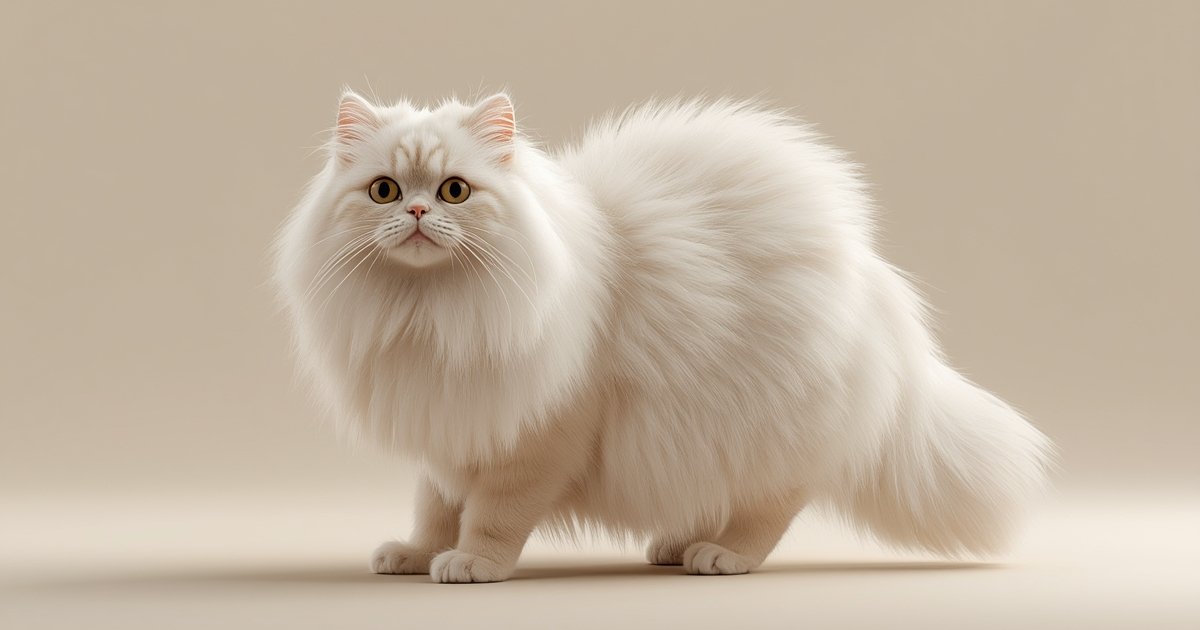
Meta Description: Master Persian grooming with expert tips for a beautiful, healthy coat. Learn daily brushing, bathing, and essential tools to keep your feline friend pristine.
Persian cats are renowned for their luxurious, flowing coats, a hallmark of their majestic beauty. While undeniably stunning, this glorious mane requires consistent and dedicated care. Neglecting the elaborate coat of a Persian can quickly lead to painful mats, skin issues, and discomfort for your beloved feline. This comprehensive guide will transform your approach to Persian Grooming, equipping you with the professional techniques and insights needed to maintain their coat in purr-fect condition.
Understanding the intricacies of their fur is the first step towards mastering expert Persian grooming. It’s more than just aesthetics; regular grooming is vital for their health, comfort, and overall well-being. By following these practical steps, you’ll ensure your Persian not only looks magnificent but also feels happy and healthy.
Understanding the Persian Coat: A Groomer’s Perspective
The Persian cat’s distinctive feature is its long, dense double coat, which consists of a soft, woolly undercoat and longer, silken guard hairs. This unique combination, while beautiful, is highly prone to tangles and mats. The undercoat easily sheds and, if not properly removed, becomes trapped within the longer outer layer, forming tight knots that can pull on the skin and cause significant pain.
Many first-time Persian owners underestimate the commitment required for proper Persian grooming. Unlike short-haired breeds, a Persian’s coat cannot be left to its own devices for more than a day or two without consequence. Mats can quickly escalate from minor tangles to severe, pelt-like formations that may require professional shaving under sedation. Prevention is absolutely key in keeping your Persian comfortable and preventing costly vet visits.
Factors like diet, environment, and even stress can influence the health and texture of your Persian’s coat. A high-quality diet rich in omega fatty acids contributes to skin health and a lustrous coat, making it easier to manage during grooming sessions. Understanding the challenges and unique needs of their fur is the foundation for effective Persian grooming.
The Daily Ritual: Essential Brushing Techniques for Persian Grooming
Daily brushing is the cornerstone of effective Persian grooming. This isn’t just a quick run-through; it requires a systematic approach to ensure every part of the coat is reached. Establishing a consistent daily routine from an early age will help your Persian become accustomed to and even enjoy their grooming time.
Start with the right tools. A good quality slicker brush is essential for removing loose hair and surface mats, while a sturdy metal comb with both fine and coarse teeth is indispensable for working through tangles and ensuring the coat is truly mat-free down to the skin. You’ll also need a soft bristle brush for the face and a small pair of blunt-nosed scissors for sanitary trims, used with extreme caution.
The most effective technique is called “line brushing.” This involves working on small sections of the coat at a time, parting the fur and brushing from the skin outwards. Start at the bottom (legs or belly) and work your way up. Gently hold the fur above the section you are brushing to prevent pulling on the skin. Use the slicker brush first to go over the section, then follow with the metal comb to ensure there are no snags. If the comb glides smoothly, that section is tangle-free.
Pay close attention to “friction areas” where mats commonly form, such as behind the ears, under the armpits, on the belly, and around the sanitary area and tail. These spots often get overlooked during a quick brush. Consistent daily attention to these areas is vital for preventing serious matting and keeping up with thorough Persian grooming.
Make grooming a positive experience. Keep sessions short and rewarding, using treats and praise. If your cat tolerates it, gradually increase the duration. If you encounter a knot, be patient and gentle. Never yank the brush or comb through a mat, as this will cause pain and make your cat resistant to future grooming sessions. This delicate approach is central to successful Persian grooming.
Bathing Your Persian: From Fear to Fluff
While daily brushing handles much of the maintenance, regular bathing is a non-negotiable part of professional Persian grooming. Persian cats, especially those with very long coats, need baths every 4-6 weeks to keep their fur clean, prevent oil build-up, and reduce matting. A clean coat is much easier to brush and maintain.
The idea of bathing a cat can be daunting, but with proper preparation and technique, it can be a smooth process. Start by thoroughly brushing your cat to remove any tangles or loose fur *before* the bath. Water will only tighten mats, making them nearly impossible to remove without cutting. Have all your supplies ready: cat-specific shampoo and conditioner (hypoallergenic is often best), several towels, cotton balls for ears, and a non-slip mat for the tub.
Use lukewarm water and gently wet your cat, avoiding their eyes and ears. You can place cotton balls in their ears to prevent water from entering. Apply the shampoo, working it gently into the coat. Pay special attention to the belly, legs, and tail, which tend to get dirtiest. Rinse thoroughly, ensuring no shampoo residue is left behind, as this can irritate the skin and attract dirt.
Follow with a cat conditioner to help detangle and soften the coat, leaving it easier to comb. Rinse again completely. After the bath, gently wrap your Persian in a towel to absorb excess water. Then, move to drying. A high-velocity pet dryer on a cool or low-heat setting is ideal for drying a Persian’s long coat quickly and preventing matting. Keep the dryer moving constantly to avoid overheating any one spot.
As you dry, use a slicker brush and metal comb to line brush the fur, fluffing it as it dries. This technique helps separate the hairs and ensures a beautifully soft, tangle-free finish. Proper drying is as crucial as the washing itself for effective Persian grooming. If allowed to air dry, the coat will mat.
Tackle the Tough Stuff: Mats, Tangles, and Tear Stains
Even with diligent daily Persian grooming, mats and tangles can still occur. When you encounter a mat, your first instinct might be to pull or cut it out. Resist this urge! Pulling causes pain, and improper cutting can lead to serious injury to your cat’s delicate skin.
For small, minor tangles, try working them out gently with your fingers, then use the coarse teeth of a metal comb. You can use a detangling spray or a small amount of cornstarch or baby powder on the mat to help loosen it. If the mat is larger or tighter, a specialized de-matting tool or mat splitter can be used, but always with extreme caution. These tools have sharp blades and should only be used by experienced owners or professionals.
If mats are severe, tight against the skin, or widespread, it’s always best to consult a professional groomer or veterinarian. They can safely shave out the mats, often requiring sedation for the cat’s comfort and safety. Never attempt to use regular scissors to cut mats unless you are specifically trained, as it’s incredibly easy to cut the skin, which is often pulled tightly into the mat.
Tear staining is another common issue for Persian cats due to their brachycephalic (flat) faces, which can lead to tears overflowing. These stains are not just unsightly; they can also be a breeding ground for yeast and bacteria, leading to skin irritation. Daily cleaning is essential. Use a soft, damp cloth or a specialized tear stain remover pad to gently wipe the area around their eyes. Be careful not to get any product *into* the eye itself.
There are also dietary supplements and water additives designed to help reduce tear staining from the inside out, by addressing the underlying cause of porphyrin excess in tears. Consult your vet before introducing any new supplements. Regular daily attention to their eyes is an indispensable part of overall Persian grooming.
Finally, a “sanitary trim” around the hindquarters and belly is crucial for long-haired Persians. This involves carefully trimming the fur short in these areas to prevent fecal matter from clinging to the coat, which can cause discomfort, odor, and hygiene issues. Use blunt-nosed safety scissors and trim only the fur, ensuring you can see the skin at all times to avoid nicks. This type of trim significantly aids in maintaining cleanliness and health during Persian grooming.
Essential Tools for Professional Persian Grooming
Having the right arsenal of tools is paramount for effective Persian grooming. Investing in good quality equipment will not only make the process easier for you but also more comfortable and safer for your cat. Here’s a breakdown of the must-have items and a comparison to help you choose wisely.
Beyond brushes and combs, consider items like specialized shampoos and conditioners designed for long-haired cats, high-quality nail clippers, ear cleaning solutions, and even a grooming table to make the experience more ergonomic for both you and your cat. A grooming table can significantly improve control and reduce strain during long sessions of Persian grooming.
Comparison of Essential Persian Grooming Tools
| Product | Price | Pros | Cons | Best For |
|---|---|---|---|---|
| Slicker Brush | $15-$30 | Excellent for detangling surface mats and removing loose undercoat. Stimulates skin oil distribution. | Can be abrasive if used incorrectly; not ideal for deep, tight mats. | Daily maintenance and fluffing the coat to prevent new tangles. |
| Metal Comb (Fine/Coarse) | $10-$25 | Crucial for identifying and working through small tangles. Essential for line brushing and checking for missed mats. | Requires careful handling to avoid pulling fur; can hurt if not used gently. | Detailed work, ensuring the coat is thoroughly mat-free, and finishing touches. |
| De-matting Tool/Rake | $20-$40 | Designed to safely cut through moderate mats without excessive pulling. Can save a matted coat from a full shave. | Requires extreme caution to prevent skin cuts; should be used sparingly and only on dry fur. | Emergency mat removal for moderate to severe tangles that can’t be combed out. |
| High-Velocity Pet Dryer | $100-$300 | Significantly reduces drying time, preventing matting during drying. Helps fluff the coat beautifully for a professional look. | Can be noisy, some cats may be sensitive to the sound and force of air. Initial investment is higher. | Post-bath drying for long-haired breeds and achieving a salon-quality finish. |
| Hypoallergenic Cat Shampoo & Conditioner | $15-$35 | Gentle formulations prevent skin irritation. Keeps the coat soft, clean, and easier to manage. | Requires thorough rinsing to avoid residue build-up; some cats may still react to certain ingredients. | All bathing needs, especially for cats with sensitive skin or allergies. |
Beyond the Brush: Nails, Ears, and Dental Care
Comprehensive Persian grooming extends beyond just the coat. Neglecting other aspects of their physical hygiene can lead to discomfort, health issues, and even significant pain for your cat. Incorporating nail trims, ear cleaning, and dental care into your routine will ensure your Persian is healthy from nose to tail.
Nail trimming should be done every 2-4 weeks. Long nails can get caught on carpets, furniture, or even grow into their paw pads, causing pain and infection. Use sharp, cat-specific nail clippers. Gently press on your cat’s paw pad to extend the nail, and only snip the clear tip, avoiding the quick (the pink part inside the nail). The quick contains blood vessels and nerves, and cutting it will cause pain and bleeding. If you accidentally cut the quick, have styptic powder on hand to stop the bleeding. If you’re unsure, ask your vet or groomer for a demonstration.
Ear cleaning is also important, especially for Persians, whose long ear hair can trap dirt and wax. Check your cat’s ears weekly for any signs of redness, foul odor, or excessive wax. Use a cat-specific ear cleaning solution and a cotton ball or soft cloth to gently wipe the visible parts of the ear. Never insert anything into the ear canal, as this can cause damage. If you notice any discharge, strong odor, or your cat is shaking its head frequently, consult your veterinarian, as this could indicate an ear infection.
Dental care is often the most overlooked aspect of pet hygiene, yet it’s crucial for overall health. Periodontal disease is rampant in cats and can lead to serious health problems affecting their heart, kidneys, and liver. Ideally, brush your cat’s teeth daily with a cat-specific toothbrush and enzymatic toothpaste. Never use human toothpaste, as it contains ingredients toxic to cats.
If daily brushing isn’t feasible, consider dental treats, water additives, or specialized dental diets. Regular veterinary dental check-ups and professional cleanings under anesthesia are often necessary to maintain optimal oral health. Incorporating these vital steps into your Persian grooming regimen demonstrates a commitment to their complete well-being, going far beyond just a beautiful coat.
Mastering the art of Persian grooming is a commitment, but one that is incredibly rewarding. By understanding their unique coat, implementing daily brushing, consistent bathing, and attentive care for their nails, ears, and teeth, you’re not just maintaining their beauty; you’re safeguarding their health and happiness. Regular Persian grooming strengthens the bond you share with your feline companion, turning routine tasks into moments of connection and trust.
Remember, patience and consistency are your greatest tools. If you encounter challenges or severe matting, don’t hesitate to seek advice from a professional groomer or your veterinarian. They can offer personalized guidance and ensure your Persian receives the best possible care. Embrace the journey of professional Persian grooming, and you’ll unlock a truly purr-fect coat for your beloved cat.
For more expert tips on cat care and grooming, visit Dax AI’s blog or contact our team of pet specialists today!
Frequently Asked Questions (FAQ)
How often should I groom my Persian cat?
Ideally, your Persian cat needs daily brushing to prevent mats and tangles. Full grooming sessions, including bathing, should occur every 4-6 weeks, and nail trims every 2-4 weeks. Ear and dental checks can be done weekly.
What if my Persian cat hates grooming?
Start grooming sessions early in their life, making them positive with treats, praise, and short durations. If your cat is resistant, try breaking grooming into very short sessions throughout the day. If aversion is severe, consult a professional groomer or veterinarian for advice on desensitization techniques or safe handling.
Can I shave my Persian cat’s fur?
While some owners opt for a “lion cut” during warmer months or to manage severe matting, it’s generally not recommended to shave a Persian’s fur unless medically necessary. Their double coat provides insulation in both warm and cold weather. If shaving is required due to matting, it should be done by a professional groomer or vet to ensure safety and prevent razor burn or skin irritation.
How do I prevent tear stains on my Persian?
Daily cleaning around the eyes with a soft, damp cloth or specialized tear stain remover pads is crucial. Ensure their diet is high-quality and consider using filtered water. Some owners find success with tear stain supplements, but always consult your veterinarian before introducing new products to address the issue.
Leave a Reply