

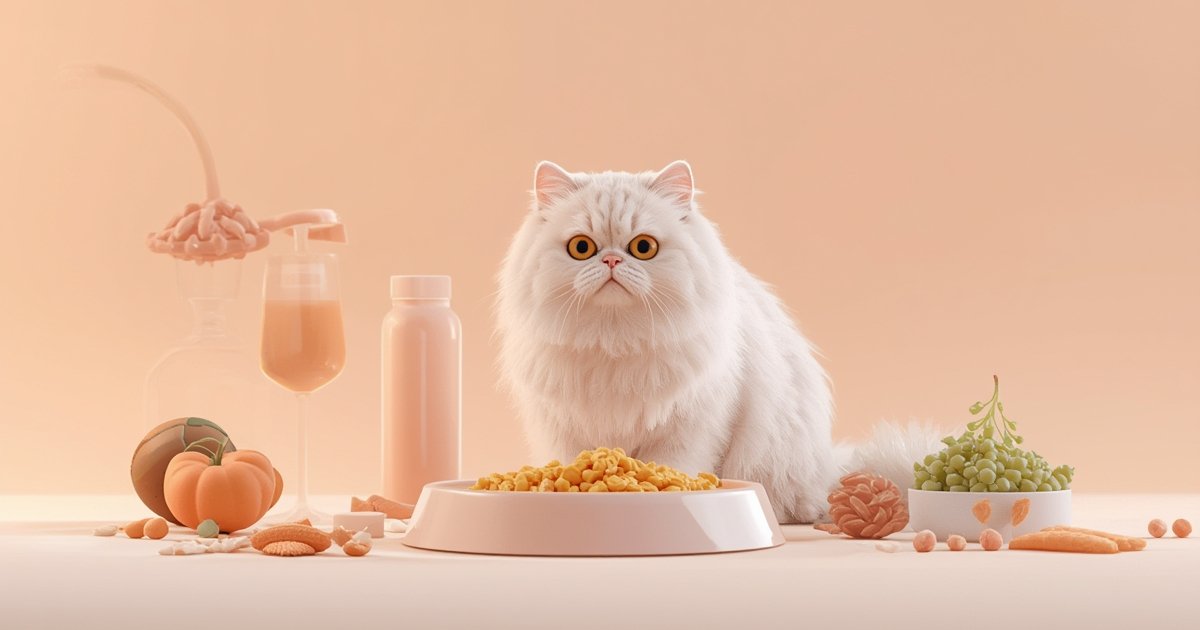
Meta Description: Unlock the secrets to your Persian cat’s perfect diet in 2026. Discover expert tips, ingredient guides, and meal plans for a healthy, happy feline life. Tailor your Persian diet today!
Understanding Your Persian Cat’s Unique Nutritional Needs
Persian cats, with their luxurious coats and distinctive flat faces, are truly majestic creatures. To maintain their regal appearance and robust health, a specialized Persian diet is paramount. In 2026, understanding their unique dietary requirements goes beyond simply filling a bowl. We need to consider their specific physiology and potential health predispositions.
These beautiful felines often have brachycephalic (flat) faces, which can sometimes make eating certain kibble shapes challenging. Their long, dense fur also means they are prone to hairballs, necessitating a diet that supports digestive health and hairball control. A proper Persian diet must address these factors proactively.
The Core Components of a Superior Persian Diet
A balanced Persian diet revolves around several key nutritional elements. Cats are obligate carnivores, meaning their bodies are designed to derive nutrients primarily from animal sources. This fundamental principle guides all recommendations for their feeding. Providing the right blend of macronutrients and micronutrients is crucial for their overall well-being.
High-Quality Animal Protein
Protein is the cornerstone of any feline diet, especially for the muscular and active Persian cat. Look for foods where real meat, such as chicken, turkey, salmon, or beef, is listed as the first ingredient. These provide essential amino acids vital for muscle maintenance, organ function, and a healthy immune system.
Rendered animal proteins or meat by-products can be acceptable if sourced from reputable brands. However, whole, identifiable meat sources are generally preferred for superior digestibility and nutrient absorption. Adequate protein levels are non-negotiable for their health.
Moderate, Healthy Fats
Fats are a concentrated source of energy for cats and play a crucial role in nutrient absorption, skin health, and coat luster. Essential fatty acids, particularly Omega-3 and Omega-6, are vital for reducing inflammation, supporting brain function, and maintaining that signature Persian coat. Sources like fish oil, flaxseed oil, and animal fats are excellent.
Avoid foods with excessive or poor-quality fats, which can lead to obesity and other health issues. The right balance ensures energy without unnecessary weight gain. Always check the fat content and source on pet food labels.
Low Carbohydrates
Cats have a limited ability to digest and utilize carbohydrates efficiently. While some carbs can provide quick energy, a diet high in grains, corn, or soy can contribute to obesity, diabetes, and digestive upset in Persians. Opt for foods with minimal fillers and low carbohydrate content.
This doesn’t mean zero carbs, but rather that the primary energy source should come from protein and fat. Vegetables and fruits in small amounts can offer beneficial fiber and antioxidants, but they should not dominate the ingredient list. Prioritize animal-based ingredients above all else.
Essential Vitamins and Minerals
Beyond the macronutrients, a complete and balanced Persian diet must include a spectrum of vitamins and minerals. These micronutrients support everything from bone health (calcium, phosphorus) and immune function (vitamins E, C, zinc) to vision (taurine) and energy metabolism (B vitamins). Taurine, an amino acid, is particularly critical for cats and must be supplied through their diet.
Reputable commercial cat foods are formulated to meet these requirements. If you are considering a home-prepared diet, close consultation with a veterinary nutritionist is absolutely essential to avoid dangerous deficiencies or excesses. This ensures every meal contributes to their long-term health.
Wet vs. Dry Food: Making the Right Choices for Your Persian
The debate between wet and dry food is ongoing, but for Persian cats, the consensus often leans towards a combination or primarily wet food diet. Both have their pros and cons, and understanding them helps in making the best decision for your feline friend. Each type offers distinct benefits and drawbacks.
The Advantages of Wet Food
Wet food is an excellent source of hydration, which is crucial for cats who naturally have a low thirst drive. Adequate moisture intake supports kidney health and helps prevent urinary tract issues. Its soft texture is also much easier for brachycephalic Persians to consume without difficulty.
The higher protein and lower carbohydrate content often found in wet foods align well with the obligate carnivore needs of Persian cats. It can also be more palatable, encouraging picky eaters to finish their meals. Furthermore, wet food helps keep a cat feeling fuller for longer.
The Benefits of Dry Kibble
Dry kibble offers convenience and can be left out for longer periods without spoiling, which suits free-feeding routines for some cats. The abrasive action of kibble against teeth can also help reduce tartar buildup, contributing to dental health. It’s often more economical than wet food.
For Persians, however, consider the shape and size of the kibble. Specific formulations for brachycephalic breeds often feature flatter or uniquely shaped kibble that is easier for them to pick up and chew. This can mitigate the eating challenges associated with their facial structure.
Optimal Combination Feeding
Many experts recommend a combination of both wet and dry food. This approach harnesses the benefits of each. For instance, offering wet food in the morning and evening, with a small portion of dental-friendly kibble available during the day, can be an effective strategy.
This ensures adequate hydration, high-quality protein intake, and some dental benefits. Always monitor your Persian’s weight and overall health when implementing a combination diet, adjusting portions as needed. This balanced approach often yields the best results for a robust Persian diet.
Navigating Specialty Diets and Supplements in 2026
As our understanding of feline nutrition evolves, so too do the options available for specialized diets and supplements. In 2026, pet owners have access to a wide array of products designed to address specific health concerns or enhance overall well-being for their Persian cats. Choosing wisely is key.
Hairball Control Formulas
Given their long coats, hairball issues are common in Persian cats. Many cat food brands offer hairball control formulas, typically higher in fiber to aid the passage of ingested fur through the digestive system. These can be very beneficial in minimizing regurgitation and digestive blockages.
Ingredients like psyllium husk, beet pulp, and specific fibers help to bind hair and move it through the intestinal tract. While effective, regular grooming remains a vital component of hairball prevention. Consider these formulas as a dietary aid to your grooming routine.
Weight Management Diets
Persians, especially indoor cats, can be prone to weight gain if not managed properly. Weight management diets are typically lower in calories and fat, but still provide adequate protein to maintain muscle mass. These diets often incorporate increased fiber to help cats feel full.
If your Persian is overweight, consult your veterinarian before making significant dietary changes. They can help rule out underlying medical conditions and recommend a safe, effective weight loss plan. Gradual transitions are always best to avoid digestive upset.
Addressing Food Sensitivities and Allergies
Some Persian cats may develop food sensitivities or allergies, manifesting as skin issues, digestive upset, or ear infections. Limited ingredient diets (LID) or hydrolyzed protein diets are designed to help identify and manage these conditions. These foods use novel protein sources or break down proteins into tiny particles that the immune system is less likely to react to.
Working with a vet is essential to diagnose food allergies accurately and select the most appropriate therapeutic diet. Elimination trials are often necessary to pinpoint the exact allergen. This careful approach helps avoid further discomfort for your cat.
Comparison of Popular Specialty Cat Foods for Persian Diet
Many brands offer excellent options tailored for breeds like Persians. Here’s a comparison of a few types of specialized cat food you might consider for a premium Persian diet:
| Product | Price | Pros | Cons | Best For |
|---|---|---|---|---|
| Royal Canin Persian Adult Dry Food | $40-$55 (3.5lb bag) | Formulated kibble shape for easy pickup; supports long coat and hairball control. | Can be higher in carbohydrates than some alternatives. | Persians with typical breed needs, seeking coat and hairball support. |
| Wellness Core Grain-Free Indoor Formula Wet Food | $35-$45 (12-pack cans) | High protein, grain-free; excellent moisture content for hydration. | Slightly more expensive; some cats may prefer different textures. | Indoor Persians, for hydration and high-protein, low-carb feeding. |
| Hill’s Science Diet Adult Hairball Control Dry Food | $30-$45 (3.5lb bag) | High natural fiber to reduce hairballs; supports digestive health. | Not specifically formulated for Persian jaw structure. | Persians experiencing frequent hairball issues. |
| Instinct Raw Boost Healthy Weight Grain-Free Dry Food | $50-$65 (4lb bag) | High animal protein, freeze-dried raw pieces; supports healthy weight management. | Premium price point; some cats may not enjoy raw pieces. | Overweight Persians or those needing higher protein and grain-free. |
Common Dietary Mistakes to Avoid for Your Persian
Even with the best intentions, it’s easy to fall into common feeding traps that can undermine your Persian cat’s health. Being aware of these pitfalls is the first step toward ensuring a truly optimal Persian diet. Avoiding these mistakes can save your cat from preventable health issues.
Overfeeding and Underfeeding
One of the most frequent mistakes is not adhering to proper portion control. Overfeeding leads to obesity, a major health concern linked to diabetes, joint problems, and heart disease. Conversely, underfeeding can result in malnutrition and lack of energy. Always follow the guidelines on pet food packaging, adjusting based on your cat’s age, activity level, and body condition. Regular veterinary check-ups can help confirm appropriate weight.
Ignoring Water Intake
While we discussed the importance of wet food, neglecting access to fresh, clean water is a critical error. Cats are notoriously poor drinkers, so encourage hydration by providing multiple water bowls, ceramic or stainless steel options, and even a feline water fountain. Hydration is vital for kidney function and overall health.
Frequent Food Changes
Cats, especially Persians, can have sensitive digestive systems. Abruptly changing their food can lead to stomach upset, vomiting, and diarrhea. If a diet change is necessary, do so gradually over 7-10 days, mixing increasing amounts of the new food with decreasing amounts of the old. This slow transition allows their digestive system to adjust comfortably.
Feeding Human Food Scraps
While tempting, sharing human food can be detrimental. Many human foods are toxic to cats (e.g., onions, garlic, chocolate, grapes) or contain ingredients like excessive salt, sugar, or spices that are harmful. Stick to cat-specific treats and foods to ensure their safety and maintain a balanced Persian diet. Even seemingly harmless foods can cause digestive upset.
Choosing Low-Quality Ingredients
Opting for cheaper cat foods often means compromising on ingredient quality. Fillers like corn, wheat, and soy, or undefined meat by-products, offer little nutritional value and can contribute to allergies or digestive issues. Invest in high-quality foods that list whole animal proteins as primary ingredients. Your Persian’s long-term health is worth the investment.
Crafting a Personalized Feeding Plan for Your Feline Friend
Every Persian cat is an individual, and their dietary needs may vary based on age, activity level, health status, and even personal preferences. Developing a personalized feeding plan ensures they receive optimal nutrition tailored to their specific life stage and circumstances. This customized approach is the hallmark of a truly effective Persian diet.
Kittenhood: Foundation for Growth
Persian kittens require a diet formulated for growth, which is typically higher in calories, protein, and specific nutrients like DHA for brain development. Feed them multiple small meals throughout the day. Always choose a reputable kitten-specific formula until they reach approximately one year of age.
Adulthood: Maintenance and Balance
Adult Persians generally thrive on two meals a day, but free-feeding can work if portion control is strictly managed. Focus on maintenance formulas that provide balanced nutrition without excess calories. Monitor their weight regularly and adjust food intake as needed to prevent obesity.
Senior Years: Supporting Longevity
As Persians age, their nutritional needs shift. Senior diets often contain ingredients that support joint health, kidney function, and cognitive vitality. They might also be easier to digest. Consult your vet about transitioning to a senior-specific diet once your Persian reaches around 7-10 years old.
Consulting Your Veterinarian
The most crucial step in crafting any personalized feeding plan is to consult your veterinarian. They can assess your Persian’s individual health, recommend specific dietary changes, and advise on appropriate supplements. Their expertise is invaluable, especially if your cat has pre-existing medical conditions or unique dietary challenges.
A truly effective Persian diet is not a one-size-fits-all solution but a dynamic plan refined with expert guidance. By prioritizing high-quality ingredients, understanding their unique needs, and avoiding common mistakes, you can provide your Persian cat with the ultimate diet for a happy, healthy life in 2026 and beyond. This commitment ensures they flourish.
By prioritizing these dietary considerations, you are setting the stage for your Persian cat to live a long, vibrant life, full of purrs and playful moments. Your dedication to their nutritional well-being is the greatest gift you can offer. If you want to learn more about advanced pet nutrition or need specific product recommendations, consider exploring our extensive blog archives.
Contact us today to schedule a personalized consultation with a pet nutrition expert and take the next step in perfecting your Persian’s diet!
Frequently Asked Questions (FAQ)
How much food should I feed my Persian cat?
The amount of food depends on your Persian’s age, weight, activity level, and the specific calorie content of their food. Always follow the feeding guidelines on the pet food packaging as a starting point, then adjust based on your cat’s body condition. Most adult Persians thrive on two meals a day.
Can Persian cats eat a raw food diet?
While some owners choose raw diets, they come with significant risks, including bacterial contamination and nutritional imbalances if not prepared correctly. If considering a raw Persian diet, it is crucial to consult a board-certified veterinary nutritionist to ensure it is complete and safe for your cat.
What are the best treats for a Persian cat?
Opt for healthy, cat-specific treats that are low in calories and free from artificial colors or flavors. Freeze-dried meat treats (chicken, salmon) are excellent choices. Moderation is key, as treats should not make up more than 10% of their daily caloric intake to avoid unbalancing their core Persian diet.
How can I prevent hairballs in my Persian cat?
Prevention involves a multi-pronged approach: regular daily grooming to remove loose fur, feeding a hairball control diet rich in fiber, and ensuring adequate hydration through wet food or water fountains. Some supplements with psyllium or specific oils can also help, but always consult your vet first.
My Persian is a picky eater, what should I do?
Picky eating can be frustrating. Try offering a variety of high-quality wet foods with different textures and protein sources. Warming wet food slightly can enhance its aroma. Ensure meal times are calm and free from distractions. If pickiness persists or is accompanied by weight loss, a vet visit is recommended to rule out underlying health issues.
Leave a Reply