

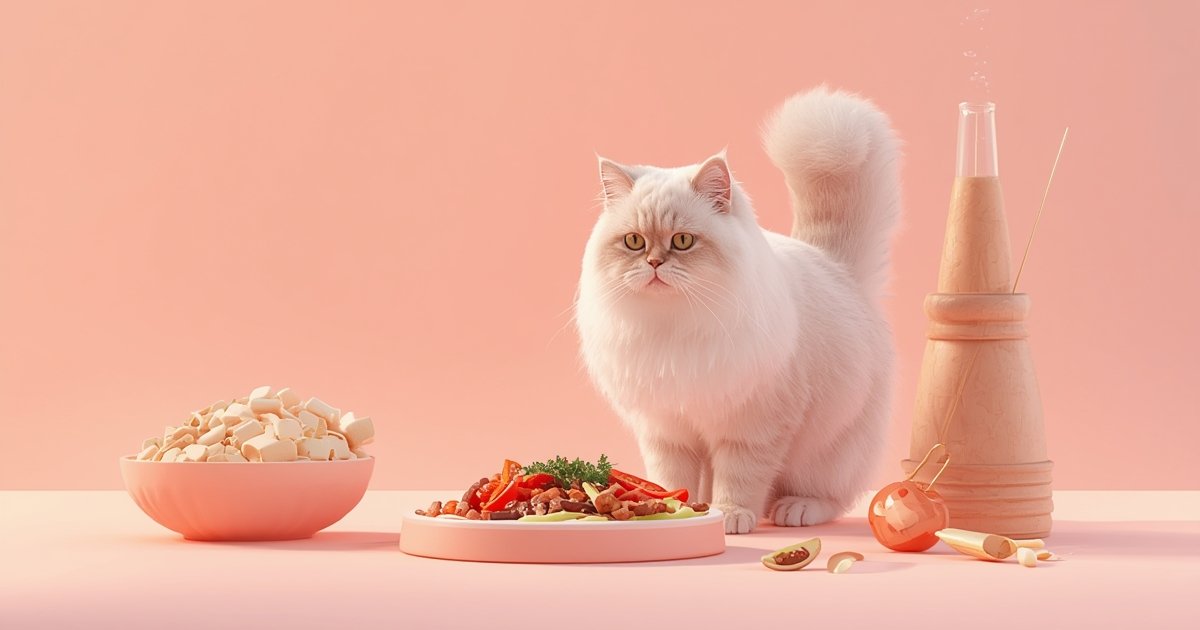
Meta Description: Unlock the secrets to your Persian cat’s optimal diet for 2026. Discover essential nutrients, top food choices, and tailored feeding strategies for their unique health needs.
Understanding the Unique Nutritional Needs of Persian Cats
Persian cats are renowned for their majestic appearance and gentle demeanor, but their luxurious long coats and brachycephalic (flat) faces come with specific dietary considerations. Ensuring your Persian thrives into 2026 and beyond starts with a meticulously planned Persian diet.
Their distinct physical traits directly influence their eating habits and nutritional requirements. From maintaining coat health to supporting their delicate digestive systems, a specialized approach is key to their well-being.
Unlike other breeds, Persians often require kibble shapes designed for their unique bite, and their dense fur necessitates extra attention to prevent hairballs. A thoughtful Persian diet addresses these challenges head-on, promoting vitality and longevity.
A balanced diet is the cornerstone of their health, directly impacting their coat’s luster, energy levels, and overall immune function. It’s not just about what they eat, but how it’s formulated to suit their aristocratic physiology.
The Impact of Brachycephalic Features on Eating
Persian cats’ flattened faces mean they often have difficulty picking up standard kibble. Their jaw structure makes it challenging to grasp and chew food effectively, leading to messy eating and potentially less food intake.
Specialized kibble shapes, such as crescent or almond shapes, are often recommended to facilitate easier pick-up and chewing. These designs help them scoop food more efficiently with their tongues.
This anatomical trait also increases the risk of dental issues, as food can become trapped more easily, contributing to plaque and tartar buildup. Regular dental care and appropriate food textures are vital.
Coat Health and Hairball Prevention
The hallmark of a Persian cat is its magnificent, long, dense coat. While beautiful, this coat sheds frequently and requires constant grooming, both by the cat and its human.
Ingested hair is a common cause of hairballs, which can lead to digestive upset, vomiting, and in severe cases, intestinal blockages. The right Persian diet can significantly mitigate this issue.
Foods rich in omega-3 and omega-6 fatty acids, along with dietary fiber, are crucial. These ingredients help support skin health, reduce excessive shedding, and aid in the smooth passage of ingested hair through the digestive tract.
Regular brushing, combined with a specialized diet, forms the most effective defense against hairball formation, ensuring your cat remains comfortable and healthy.
Essential Nutrients for a Thriving Persian Diet
Crafting the best Persian diet means focusing on key nutrients that support their unique needs. Protein, fats, carbohydrates, vitamins, and minerals must be present in optimal ratios to ensure comprehensive health.
High-quality ingredients are paramount, as cheap fillers can exacerbate digestive sensitivities and fail to provide the necessary building blocks for their distinctive physiology. Prioritizing nutrient-dense foods is a smart investment in their long-term health.
Every component of their food plays a specific role, from fueling their energy to strengthening their immune system. Understanding these roles empowers you to make informed decisions about their daily meals.
High-Quality Animal Protein
Protein is the cornerstone of any feline diet, and for Persians, it’s especially critical for muscle maintenance and coat health. Look for animal-based proteins as the primary ingredient.
Chicken, turkey, salmon, and lamb are excellent sources of highly digestible protein. These contribute to strong muscles, healthy organs, and the continuous growth of their luxurious fur.
Avoid foods where the primary protein source is plant-based, as cats are obligate carnivores and cannot efficiently process these proteins. Their bodies are designed to derive nutrients from animal tissue.
Healthy Fats for Skin and Coat
Fats are not just energy sources; they are vital for healthy skin and a lustrous coat. Omega-3 and omega-6 fatty acids are particularly important for Persians.
Sources like fish oil (salmon oil), flaxseed, and chicken fat provide these essential fatty acids. They help maintain the skin’s barrier function, reduce dryness and flakiness, and promote a soft, shiny coat.
These fats also play a role in reducing inflammation and supporting overall immune function, contributing to your Persian’s resilience against various health challenges.
Digestible Carbohydrates and Fiber
While cats are carnivores, a small amount of digestible carbohydrates can provide energy and fiber. Fiber is crucial for managing hairballs and supporting digestive regularity.
Sources like rice, peas, and sweet potatoes offer digestible carbs. Fiber, from ingredients like beet pulp or psyllium, helps move ingested hair and waste through the digestive system efficiently.
Balancing these elements prevents digestive upset and ensures a smooth gastrointestinal tract, which is a common concern for long-haired breeds.
Vitamins and Minerals
A complete Persian diet must include a full spectrum of vitamins and minerals. These micronutrients support every bodily function, from bone health to vision and immune response.
Vitamin A, taurine (an essential amino acid for cats), B vitamins, Vitamin E, calcium, and phosphorus are particularly important. Ensure the food is fortified with these critical elements.
Many high-quality commercial cat foods are formulated to meet AAFCO (Association of American Feed Control Officials) nutritional standards, guaranteeing a balanced profile of these essential micronutrients.
Choosing the Right Food: Wet, Dry, and Specialized Formulas
The market offers a vast array of cat foods, making the choice for your Persian diet sometimes overwhelming. Deciding between wet and dry food, or specialized formulas, requires understanding their pros and cons.
Your Persian’s age, activity level, and specific health concerns should guide your decision. Consulting with your veterinarian can also provide invaluable personalized recommendations.
Remember that even the best food will only deliver results if your cat actually eats it. Palatability is a critical factor, and sometimes a combination of food types works best.
Dry Kibble for Persians
Dry kibble is convenient, can be left out for free-feeding, and often contains specialized shapes designed for Persian cats’ flat faces. It also helps with dental hygiene by providing some abrasive action.
However, dry food has a lower moisture content, necessitating careful monitoring of your cat’s water intake. Ensure fresh water is always available and encourage drinking with water fountains.
Always opt for high-quality dry food with animal protein as the first ingredient and avoid excessive fillers. The kibble size and shape are crucial for easy consumption.
Wet Food Benefits
Wet food provides excellent hydration due to its high moisture content, which is beneficial for kidney health and urinary tract function. It’s often highly palatable and can be a good option for picky eaters.
It can also be easier for older cats or those with dental issues to consume. The variety of textures and flavors available can keep mealtime interesting for your Persian.
On the downside, wet food spoils quickly once opened and can be more expensive than dry kibble. It also doesn’t offer the same dental benefits as crunchy kibble.
Specialized Persian Formulas
Many brands offer specific formulas tailored for Persian cats. These often feature unique kibble shapes, higher levels of omega fatty acids for coat health, and ingredients to aid in hairball control.
They are usually formulated to support the specific needs of the breed, such as digestive sensitivity and skin health. Researching these options can lead to a highly effective Persian diet.
Always check the ingredient list, even for specialized formulas, to ensure they meet your standards for high-quality protein and beneficial nutrients. Look for certifications from veterinary nutritional organizations.
Comparison of Top Persian Cat Food Options
When selecting the ideal Persian diet, comparing different brands and their specific formulations can help you make an informed choice. Here’s a look at some popular options:
| Product | Price | Pros | Cons | Best For |
|---|---|---|---|---|
| Royal Canin Persian Adult Dry Food | $40-$55 (3.5lb) | Custom almond-shaped kibble for easy pickup, high Omega-3/6 for coat, hairball control formula. | Contains grains (corn/wheat gluten), can be pricey for some budgets. | Adult Persian cats needing coat health and hairball management. |
| Purina Pro Plan Specialized Persian Dry Food | $35-$45 (3.2lb) | Nutrient-rich for beautiful skin & coat, easily digestible formula, tailored nutrition for the breed. | Kibble shape might not be as specialized as Royal Canin, uses some by-products. | Persians with sensitive digestion and a need for excellent coat condition. |
| Blue Buffalo Wilderness Chicken Dry (Grain-Free) | $30-$40 (4lb) | High protein, grain-free option, no poultry by-product meals, includes LifeSource Bits. | Not specifically designed for Persian kibble shape, may be too rich for some sensitive stomachs. | Persians whose owners prefer a grain-free, high-protein diet; good for active cats. |
| Wellness Core Grain-Free Wet Food (Pate) | $2.50-$3.50 (can) | High moisture content, excellent for hydration and urinary health, nutrient-dense, grain-free. | More expensive per serving, doesn’t offer dental benefits of kibble, needs refrigeration. | Persians needing increased hydration, or those with dental issues or picky appetites. |
Common Dietary Challenges and Solutions for Persians
Despite their regal bearing, Persian cats can face unique dietary challenges. Addressing these proactively ensures they remain healthy and happy on their specialized Persian diet.
From digestive sensitivities to managing picky eating habits, understanding these issues is the first step towards effective solutions. Each challenge requires a tailored approach.
Consistent observation of your cat’s eating habits and physical condition will help you identify potential problems early. Early intervention often prevents more serious health issues down the line.
Picky Eating and Food Refusal
Persians can be notoriously finicky eaters. This might stem from their difficulty with kibble shapes, sensitivity to textures, or simply a discerning palate.
Solutions include offering a variety of food textures (pate, shredded, gravies) and flavors, rotating food brands, or even gently warming wet food to enhance its aroma. Ensure their eating area is quiet and stress-free.
If food refusal is persistent, especially if accompanied by other symptoms like lethargy or vomiting, consult your veterinarian immediately to rule out underlying health issues.
Sensitive Digestion and Vomiting
Many Persians have delicate digestive systems, which can manifest as vomiting, diarrhea, or constipation. This sensitivity can be exacerbated by poor quality ingredients or sudden diet changes.
Transitioning to new foods gradually over 7-10 days is crucial. Start by mixing a small amount of new food with their old food, slowly increasing the proportion of the new food each day.
Opt for easily digestible formulas, often found in specialized Persian diet foods. Probiotics can also be beneficial for supporting gut health and reducing digestive upset.
Weight Management
Persian cats, especially indoor ones, can be prone to weight gain if their diet and activity levels aren’t managed properly. Obesity can lead to serious health problems like diabetes and joint issues.
Portion control is key. Follow feeding guidelines on pet food packaging, adjusting based on your cat’s activity level and body condition score. Avoid free-feeding if your cat tends to overeat.
Encourage playtime and interaction to increase their physical activity. Regular weigh-ins and veterinary check-ups will help monitor their weight and adjust their Persian diet as needed.
Supplementation and Hydration: Beyond the Bowl
While a complete and balanced Persian diet forms the foundation, sometimes additional support through supplements and careful hydration strategies can enhance their health and address specific needs.
Supplements should never replace a high-quality diet but can complement it, particularly for cats with specific deficiencies, age-related issues, or chronic conditions.
Hydration is often overlooked but is critically important, especially for cats on a predominantly dry food diet. Adequate water intake supports kidney function and overall bodily processes.
Hairball Remedies and Supplements
Even with a fiber-rich Persian diet, some Persians may still struggle with hairballs. Hairball remedies, often in paste or chew form, can help.
These products typically contain lubricants like petroleum jelly or fiber sources that aid in the passage of hair through the digestive tract. Use them as directed by your vet or the product instructions.
Omega fatty acid supplements can also improve skin and coat health, potentially reducing shedding and thus the amount of hair ingested. Consider these if your cat’s coat appears dull or dry.
Probiotics and Digestive Enzymes
For Persians with chronic digestive sensitivities, probiotics can be a game-changer. These beneficial bacteria help maintain a healthy gut microbiome, improving digestion and nutrient absorption.
Digestive enzymes can also assist cats that struggle to break down their food, particularly if they have pancreatic insufficiencies or other malabsorption issues. Always consult your vet before introducing new supplements.
These supplements are usually available in powder, capsule, or treat form and can be easily added to their daily meals to support their Persian diet.
Ensuring Adequate Hydration
Cats have a naturally low thirst drive, which can be problematic, especially for those eating dry food. Dehydration can lead to serious urinary and kidney problems.
Provide multiple water bowls in different locations around the house, ensuring they are always clean and filled with fresh water. Ceramic or stainless steel bowls are often preferred over plastic.
Consider a pet water fountain, as many cats are attracted to moving water. Incorporating wet food into their Persian diet significantly boosts their daily water intake and is highly recommended.
Adding a small amount of tuna juice (in water, not oil) or low-sodium chicken broth to their water can also entice them to drink more. Always monitor their water consumption closely.
Crafting a Personalized Persian Diet Plan for Optimal Health
There’s no one-size-fits-all solution for the perfect Persian diet. Tailoring a plan to your individual cat’s needs is the most effective way to ensure their optimal health and longevity.
This involves considering their age, activity level, current health status, and any specific sensitivities or preferences they might have. A personalized approach yields the best results.
Regular veterinary check-ups are an essential part of this process, allowing for adjustments to their diet based on professional medical advice and evolving health needs.
Age-Appropriate Nutrition
A kitten’s Persian diet will differ significantly from an adult or senior cat’s. Kittens require more calories, protein, and specific nutrients for rapid growth and development.
Adult Persians need a maintenance diet, while senior cats may benefit from foods designed for aging, which often have fewer calories, joint support, and easily digestible ingredients.
Always choose formulas specifically labeled for your cat’s life stage to ensure they are receiving the correct balance of nutrients for their current developmental phase.
Monitoring and Adjustment
The best Persian diet plan is one that is regularly monitored and adjusted. Pay close attention to your cat’s energy levels, coat condition, stool quality, and body weight.
Any changes in these indicators could suggest a need for dietary modification. For instance, a dull coat might indicate a need for more omega fatty acids, while loose stools could point to a sensitive ingredient.
Keep a food diary for a few weeks if you suspect issues, noting what your cat eats, how much, and any subsequent reactions. This data can be invaluable for your vet.
The Role of Veterinary Consultation
Your veterinarian is your most valuable resource in developing and maintaining an optimal Persian diet. They can assess your cat’s overall health and recommend specific dietary strategies.
They can also advise on prescription diets for cats with specific medical conditions, such as kidney disease, diabetes, or severe allergies. Do not make drastic dietary changes without consulting them.
Regular check-ups will help catch potential issues early and ensure that your Persian’s diet continues to meet their evolving health requirements for years to come.
Mastering your Persian cat’s diet is a journey of understanding, observation, and commitment. By focusing on their unique needs—from their brachycephalic faces to their magnificent coats—you can provide a nutritional foundation that supports their health, happiness, and regal presence. Prioritizing high-quality protein, essential fats, and adequate hydration, coupled with specialized formulas and diligent monitoring, will ensure your feline companion thrives. Remember to consult your veterinarian for personalized advice, adapting their Persian diet as they age or their health needs change.
Ready to optimize your Persian’s well-being? Dive deeper into our resources, explore veterinarian-approved insights, or connect with fellow Persian cat enthusiasts for shared wisdom. For personalized dietary advice or to schedule a consultation for your feline friend, please contact us at info@daxai.com.
Frequently Asked Questions (FAQ)
What is the ideal feeding schedule for a Persian cat?
Most adult Persian cats do well with two meals a day, usually morning and evening. For kittens, 3-4 smaller meals are recommended. Free-feeding dry kibble can be an option if your cat self-regulates and doesn’t overeat, but measured meals are often better for weight management.
Can Persian cats eat human food?
While some human foods are safe in small amounts (e.g., plain cooked chicken), it’s generally best to stick to a high-quality, balanced cat food formulated for their specific nutritional needs. Many human foods lack essential feline nutrients or can be harmful, such as onions, garlic, chocolate, and grapes.
How do I switch my Persian cat to a new food without upsetting their stomach?
Transition gradually over 7-10 days. Start by mixing 25% new food with 75% old food for a few days, then move to 50/50, then 75% new food with 25% old food, before finally feeding 100% new food. This slow change helps their digestive system adapt.
What are the signs of a good diet in a Persian cat?
A Persian cat on a good diet will have a shiny, soft, and dense coat with minimal shedding, clear bright eyes, healthy energy levels, good muscle tone, and consistent, well-formed stools. They should also maintain a healthy body weight.
Are grain-free diets necessary for Persian cats?
Not necessarily. While some cats may have grain sensitivities, there’s no universal medical consensus that grain-free diets are superior for all cats. The quality of ingredients, overall nutrient balance, and digestibility are more important than the presence or absence of grains. Consult your vet if you suspect a grain allergy.
How much water should a Persian cat drink daily?
The average cat needs about 3.5-4.5 ounces of water per 5 pounds of body weight daily. However, this varies based on diet (wet vs. dry food), activity level, and environmental temperature. Always ensure fresh water is readily available, and consider adding wet food to their Persian diet for increased hydration.
Leave a Reply