

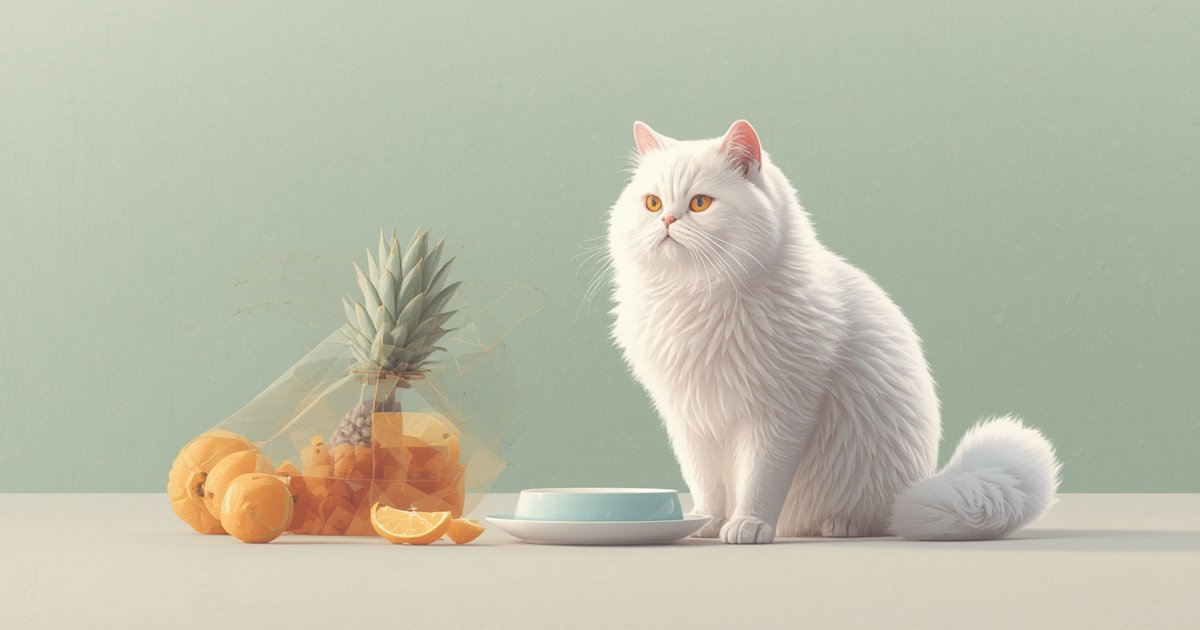
Unlock the secrets to a long, happy life for your Persian cat. Discover the ultimate Persian Diet Guide 2026, covering nutrition, best foods, and common health tips.
Understanding Your Persian Cat’s Unique Nutritional Needs
Persian cats are renowned for their majestic coats, sweet personalities, and distinctive flat faces. While their beauty is undeniable, their unique physiology also dictates specific dietary requirements. A well-tailored Persian Diet is fundamental to supporting their luxurious fur, preventing common health issues, and ensuring a vibrant life.
Their long, dense coats require a diet rich in essential fatty acids and proteins to maintain their luster and reduce shedding. Furthermore, their brachycephalic (flat) faces can sometimes make eating certain kibble shapes challenging, and they are prone to specific digestive sensitivities. Understanding these nuances is the first step toward crafting the ideal feeding plan for your cherished companion.
The Brachycephalic Challenge: Eating Considerations
The flat face of a Persian cat, while adorable, can pose practical difficulties when it comes to mealtime. They may struggle to pick up and chew standard kibble effectively, leading to messier eating habits or even under-eating if the food isn’t accessible. This is where the right food texture and shape become crucial.
Opting for kibble specifically designed for brachycephalic breeds, or supplementing with wet food, can significantly improve their eating experience. Shallow, wide bowls are also highly recommended to prevent whisker fatigue and allow them to eat comfortably without straining their necks or faces.
High-Quality Protein for Luxurious Coats and Muscles
Persian cats need a diet high in animal-based protein. This is not just for muscle development but also for maintaining their signature long, flowing coat. Protein provides the amino acids necessary for hair growth, strength, and overall skin health.
Look for primary ingredients like chicken, salmon, turkey, or beef meal. Avoid foods where plant-based proteins dominate the ingredient list, as these are less bioavailable for obligate carnivores like cats. A high-protein Persian Diet directly contributes to their health and stunning appearance.
Essential Fats for Skin, Coat, and Energy
Healthy fats, particularly omega-3 and omega-6 fatty acids, are vital for a Persian cat’s skin and coat health. These fats contribute to a shiny coat, reduce dryness, and can help minimize shedding. They also provide a concentrated source of energy.
Ingredients such as fish oil, flaxseed, and chicken fat are excellent sources. Ensure your chosen food lists these beneficial fats to support your Persian’s unique needs. A balanced intake of these fats is a cornerstone of any effective Persian Diet.
The Foundation of a Healthy Persian Diet: What to Look For
Building the right Persian Diet involves a careful examination of food ingredients and nutritional profiles. Not all cat foods are created equal, and choosing wisely can make a significant difference in your Persian’s long-term health and happiness. Focus on quality, digestibility, and specific benefits tailored to the breed.
Reading Food Labels: Key Ingredients to Prioritize
When evaluating cat food, the ingredient list is your most important tool. Ingredients are listed in descending order by weight, so the first few items are the most abundant. For a Persian, prioritize high-quality animal proteins.
Look for specific meat sources like “chicken meal,” “deboned salmon,” or “turkey.” Terms like “meat by-products” or “animal digest” are generally less desirable as they can be vague and of lower quality. Grains like corn, wheat, and soy should be minimal or absent, especially if your cat shows signs of sensitivities.
Optimal Macronutrient Ratios for Feline Health
Cats are obligate carnivores, meaning their bodies are designed to derive nutrients primarily from animal sources. An ideal Persian Diet should reflect this natural requirement.
* **Protein:** Aim for at least 30-40% crude protein, ideally from animal sources.
* **Fats:** Look for 15-25% crude fat, providing essential fatty acids.
* **Carbohydrates:** Keep carbohydrates low, generally under 10-15%. Cats have limited ability to digest and utilize large amounts of carbohydrates.
* **Moisture:** Wet food provides significantly more moisture (around 75%) than dry kibble (around 10%). This is crucial for kidney health.
Vitamins, Minerals, and Antioxidants
Beyond macronutrients, a complete and balanced Persian Diet must include a full spectrum of vitamins and minerals. These support everything from immune function to bone health. Antioxidants, often found in fruits and vegetables (in small, safe quantities for cats), help combat cellular damage.
Ingredients like cranberries, blueberries, spinach, and sweet potatoes (in moderation) can contribute beneficial micronutrients. Ensure the food is fortified with taurine, an essential amino acid for feline heart and eye health that cats cannot synthesize themselves.
Choosing the Best Food for Your Persian Cat
Selecting the right commercial food can be overwhelming with so many options available. This section will guide you through the types of food and provide a comparison of suitable options for your Persian cat. The ideal Persian Diet often involves a combination of different food types to maximize benefits.
Dry Kibble vs. Wet Food: A Balanced Approach
Both dry kibble and wet food have their pros and cons, and many experts recommend a combination approach for the most balanced Persian Diet.
* **Dry Kibble:** Convenient, can help with dental hygiene (though not a substitute for brushing), and is often more budget-friendly. However, it’s low in moisture and some shapes can be hard for Persians to eat.
* **Wet Food:** High in moisture, which is excellent for kidney and urinary tract health. Often more palatable and easier for flat-faced cats to consume. Can be more expensive and spoils quickly if left out.
A mixed feeding strategy, where you offer wet food for one meal and dry kibble for another, can provide the best of both worlds.
Considerations for Limited Ingredient and Grain-Free Diets
Some Persian cats may develop sensitivities or allergies, leading owners to consider limited ingredient diets (LID) or grain-free options.
* **Limited Ingredient Diets:** These foods contain a minimal number of ingredients, usually one protein source and one carbohydrate source, to help identify and avoid allergens. They are often recommended for cats with digestive issues or skin allergies.
* **Grain-Free Diets:** While popular, “grain-free” does not necessarily mean “carb-free,” as other starches like potatoes or peas are used. There is ongoing debate about the long-term effects of grain-free diets on feline health. Consult your vet before committing to a strictly grain-free Persian Diet.
Comparison of High-Quality Cat Foods for Persians
Choosing the right food is paramount for a Persian cat’s health. Here’s a comparison of different types of high-quality cat foods that cater to their specific needs, focusing on optimal nutrition and ease of eating for brachycephalic breeds.
Comparison of Premium Cat Food Options for Persians
| Product | Price | Pros | Cons | Best For |
|---|---|---|---|---|
| Royal Canin Persian Adult Dry Food | $40-$55 (3.5lb) | Specially designed almond-shaped kibble for brachycephalic jaws, supports long coat health with Omega-3 & 6, highly palatable. | Contains some corn and wheat gluten, which may not suit all sensitive cats. Price point is higher than average. | Persian cats with no specific grain sensitivities, benefiting from breed-specific kibble. |
| Wellness CORE Grain-Free Turkey & Duck Pate (Wet) | $28-$35 (12 x 5.5oz cans) | High protein, grain-free, excellent moisture content for hydration and urinary health, no artificial colors/flavors. | Pate texture might not appeal to all cats; can be more expensive than dry food alone. | Persian cats needing high moisture intake, sensitive to grains, or preferring a softer texture. |
| Blue Buffalo Wilderness Chicken Recipe (Dry) | $35-$45 (5lb) | High protein from real chicken, grain-free with LifeSource Bits for antioxidants and vitamins, supports lean muscle. | Kibble shape is standard, not specifically designed for flat-faced breeds, which might pose a challenge for some Persians. | Active Persian cats needing a robust, grain-free, high-protein dry diet, willing to eat standard kibble. |
| Solid Gold Katz-n-Flocken Salmon & Lentil (Dry) | $30-$40 (4lb) | Easily digestible salmon protein, supports digestive health with prebiotics and probiotics, rich in Omega fatty acids for coat. | May be too rich for extremely sensitive stomachs initially, standard kibble shape. | Persian cats with sensitive digestion looking for a unique protein source and gut health support. |
Feeding Schedules, Portion Control, and Hydration
Establishing a consistent feeding routine and ensuring adequate hydration are just as important as the quality of the food itself. A structured Persian Diet plan contributes significantly to digestive health and overall well-being.
Establishing a Routine: How Often to Feed
Most adult Persian cats benefit from two meals a day, typically once in the morning and once in the evening. This helps regulate their metabolism and prevents overeating or becoming too hungry between meals. Kittens, on the other hand, require more frequent, smaller meals (3-4 times a day) due to their rapid growth and higher energy demands.
A consistent schedule also helps with litter box training and allows you to monitor their eating habits. Any sudden change in appetite can be an early indicator of a health issue, making routine crucial.
Mastering Portion Control for Ideal Weight
Obesity is a growing concern in pets and can lead to serious health problems like diabetes, arthritis, and heart disease. Precisely measuring your Persian cat’s food is vital for maintaining an ideal weight. The recommended daily serving size is usually listed on the cat food packaging.
However, these are guidelines. Factors like your cat’s age, activity level, metabolism, and whether they are spayed/neutered will influence their caloric needs. Consult your veterinarian for personalized portion recommendations. Regular weight checks are also important to adjust their Persian Diet as needed.
The Critical Importance of Hydration
Cats naturally have a low thirst drive, which can be exacerbated by a primarily dry kibble diet. Proper hydration is critical for kidney function and preventing urinary tract issues, to which Persians can be susceptible.
* **Water Bowls:** Provide multiple water bowls around your home. Ensure they are clean and refilled daily.
* **Water Fountains:** Many cats prefer fresh, running water. A pet water fountain can encourage increased water intake.
* **Wet Food:** Incorporating wet food into your Persian Diet is an excellent way to boost their daily moisture intake.
* **Water Additives:** Discuss with your vet if certain water additives might be beneficial for enticing your cat to drink more.
Addressing Common Persian Cat Health Issues Through Diet
A tailored Persian Diet can play a pivotal role in preventing and managing common health challenges specific to the breed. Proactive dietary choices can significantly improve their quality of life.
Combating Hairballs with Fiber and Specific Formulations
Persian cats are notorious for hairballs due to their long, dense coats and diligent grooming habits. While regular grooming is essential, diet can also help.
Look for foods formulated to control hairballs. These often contain increased levels of fiber, such as psyllium husk or beet pulp, which help move ingested hair through the digestive tract. Omega fatty acids also promote a healthier coat, potentially reducing excessive shedding and, consequently, hairball formation.
Managing Digestive Sensitivities and Upset Stomachs
Many Persian cats have sensitive digestive systems. Symptoms can include vomiting, diarrhea, or excessive gas. A bland, easily digestible Persian Diet is often recommended.
* **Novel Proteins:** If allergies are suspected, your vet might suggest a food with a novel protein source (e.g., duck, venison) that your cat hasn’t been exposed to before.
* **Prebiotics and Probiotics:** Some foods include prebiotics (fiber that feeds beneficial gut bacteria) and probiotics (live beneficial bacteria) to support a healthy gut microbiome.
* **Limited Ingredients:** As mentioned earlier, LIDs can help pinpoint and eliminate dietary triggers.
Supporting Dental Health with the Right Diet
While dry kibble is sometimes touted for dental benefits, it’s rarely sufficient for preventing dental disease. However, some dental-specific kibbles are designed to mechanically scrub plaque.
The best approach to dental health is regular brushing, but diet can support it. Avoid sugary treats. Some wet foods and raw diets can be beneficial for dental health by not leaving behind starchy residues that contribute to plaque. A balanced Persian Diet contributes to overall vitality, which includes dental well-being.
Supplements, Treats, and Special Dietary Considerations
Beyond the main meals, understanding the role of supplements, appropriate treats, and how to adapt your Persian Diet for different life stages or conditions is crucial for comprehensive care.
When Are Supplements Necessary?
A high-quality, complete, and balanced commercial cat food should provide all the nutrients your Persian needs. However, in certain circumstances, your veterinarian might recommend specific supplements.
* **Omega Fatty Acids:** For extra coat luster or skin conditions.
* **Probiotics:** To aid digestion during times of stress or antibiotic use.
* **Joint Supplements:** For older cats prone to arthritis.
* **Hairball Paste:** Occasionally, to assist in the passage of stubborn hairballs.
Always consult your vet before adding any supplements to your cat’s Persian Diet to ensure they are necessary and dosed correctly. Excessive supplementation can be harmful.
Choosing Healthy Treats and Avoiding Harmful Foods
Treats can be a wonderful tool for bonding and training, but they should be given in moderation. They should not make up more than 10% of your cat’s daily caloric intake.
* **Healthy Treats:** Look for treats made with real meat, low in calories, and free from artificial colors or flavors. Freeze-dried meat treats are often a good option.
* **Human Foods:** Many human foods are toxic to cats. Avoid onions, garlic, chocolate, grapes, raisins, alcohol, and caffeine. Cooked, plain chicken or fish (without bones or seasoning) can be given in very small quantities as an occasional treat. Never offer raw meat, bones, or dairy products (most cats are lactose intolerant).
Dietary Adaptations for Kittens, Seniors, and Specific Health Conditions
A Persian’s dietary needs change throughout their life.
* **Kittens:** Require high-calorie, protein-rich kitten-specific food to support rapid growth and development. They need more frequent meals.
* **Senior Cats:** May need diets lower in calories (if less active) but still high in easily digestible protein. Joint support supplements or formulas might be beneficial.
* **Health Conditions:** Cats with kidney disease, diabetes, or severe allergies will require prescription diets formulated to manage their specific condition. These diets are strictly supervised by a veterinarian.
Always work closely with your veterinarian to tailor the Persian Diet to your cat’s specific life stage and health status. Their expertise is invaluable in navigating complex dietary needs.
Ultimately, providing the ultimate Persian Diet is a continuous journey of learning and adaptation. By focusing on high-quality ingredients, understanding their unique needs, and consulting with your veterinarian, you can ensure your beloved Persian cat enjoys a long, healthy, and happy life. Investing in their nutrition is one of the most impactful ways to show your love and commitment to their well-being.
Contact us for more personalized advice on creating the perfect meal plan for your cherished Persian companion.
Frequently Asked Questions (FAQ)
How much should I feed my Persian cat?
The amount of food your Persian cat needs depends on several factors, including their age, weight, activity level, and the specific calorie content of their food. Always start by following the feeding guidelines on the cat food packaging, but consult your veterinarian for a personalized recommendation to maintain an ideal body weight.
Is wet food or dry food better for Persians?
Many experts recommend a combination of both wet and dry food for Persian cats. Wet food provides essential moisture, which is crucial for kidney and urinary tract health, and is often easier for their flat faces to eat. Dry kibble can offer convenience and some dental benefits. A mixed approach often provides the best balance.
My Persian cat has hairball issues. Can diet help?
Yes, diet can significantly help manage hairball issues in Persian cats. Look for cat foods specifically formulated for hairball control, which typically contain higher levels of fiber. This fiber helps to move ingested hair through the digestive tract more smoothly. Regular grooming is also essential.
Can Persian cats eat human food?
While some human foods like cooked, plain chicken or fish can be given in very small, occasional amounts, many human foods are toxic or harmful to cats. Avoid onions, garlic, chocolate, grapes, raisins, avocado, and dairy products. It’s always safest to stick to cat-specific food and treats.
How do I transition my Persian cat to a new diet?
Transitioning your Persian cat to a new diet should be done gradually over 7-10 days. Start by mixing a small amount of the new food with their old food. Gradually increase the proportion of the new food while decreasing the old food each day. This helps prevent digestive upset.
Leave a Reply