

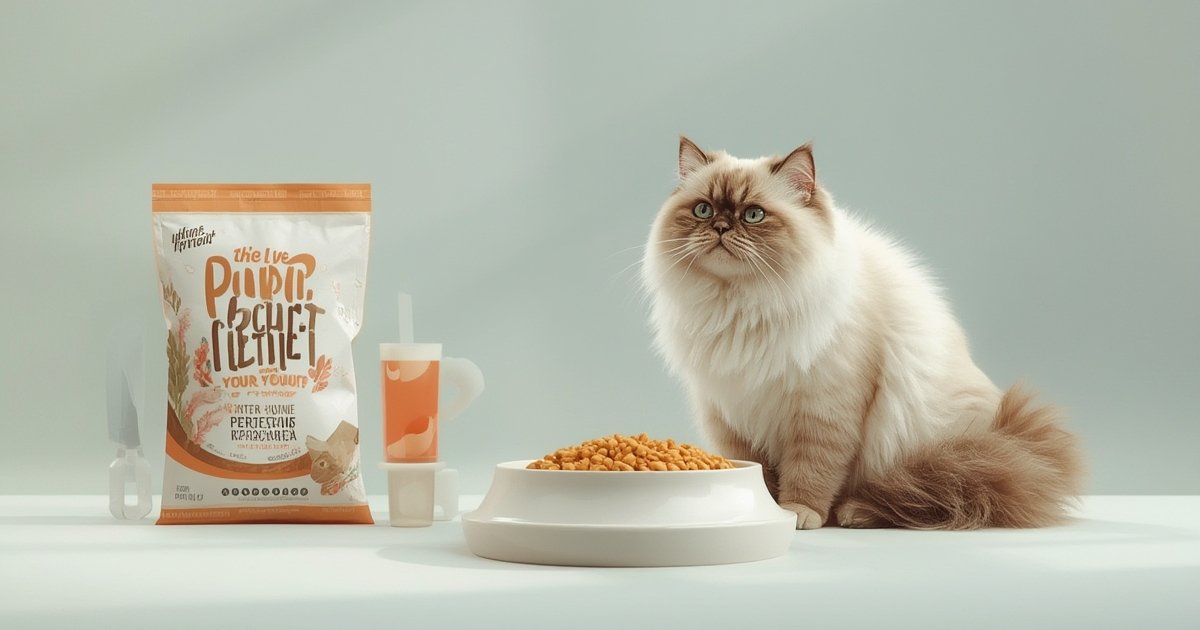
Meta Description: Discover the ultimate Persian diet guide for 2026! Learn essential nutrition, debunk myths, and ensure your beloved Persian cat thrives with expert tips and food recommendations.
Understanding the Unique Nutritional Needs of Persian Cats
The luxurious, flowing coats, distinctive flat faces, and generally serene demeanor of Persian cats have captivated cat lovers for centuries. However, their unique breed characteristics extend beyond their appearance, profoundly influencing their dietary requirements. Providing a specialized Persian diet is not merely about indulgence; it’s a fundamental aspect of ensuring their health, longevity, and overall well-being.
Persian cats, unlike many other breeds, have specific predispositions and physical traits that demand careful nutritional consideration. From their susceptibility to certain health issues to the unique challenges their facial structure presents during eating, a comprehensive understanding of their needs is paramount for any dedicated owner. As we look towards 2026, the emphasis on a tailored Persian diet remains a cornerstone of responsible pet ownership.
The Breed’s Specific Demands
Persian cats possess several anatomical features that directly impact their dietary needs. Their brachiocephalic (flat) facial structure can make it challenging for them to pick up certain kibble shapes, often leading to messy eating and potentially less efficient nutrient intake. This necessitates specific kibble designs that are easier for them to scoop and chew.
Their magnificent long coats require a diet rich in essential fatty acids, particularly Omega-3 and Omega-6, to maintain shine, minimize shedding, and prevent matting. Without adequate nutritional support, their fur can become dull, brittle, and more prone to tangles and skin issues. This makes a proper Persian diet essential for coat health.
Persians are also known to be prone to certain health conditions, including polycystic kidney disease (PKD), hypertrophic cardiomyopathy (HCM), and urolithiasis (bladder stones). While genetics play a significant role, a carefully formulated Persian diet can help manage these risks, supporting organ function and overall vitality. Dietary choices can actively contribute to preventative health strategies.
Essential Macronutrients for Persians
Just like humans, cats require a balanced intake of macronutrients: proteins, fats, and carbohydrates. For Persian cats, the quality and proportion of these nutrients are especially critical. The optimal Persian diet prioritizes high-quality animal-based proteins.
Proteins are the building blocks for muscles, skin, hair, and enzymes. As obligate carnivores, cats require protein from meat sources to obtain essential amino acids like taurine, which is vital for heart health and vision. A good Persian diet will list animal protein sources (e.g., chicken, fish, lamb) as the primary ingredients. Aim for formulations with at least 30-40% crude protein, mostly from animal sources.
Fats provide concentrated energy, aid in nutrient absorption, and contribute to coat health. Healthy fats, such as those found in fish oil (rich in EPA and DHA), flaxseed, or chicken fat, are crucial for a Persian’s luxurious coat and skin. These fatty acids help reduce inflammation and keep the skin barrier strong. A Persian diet typically contains 15-20% fat content, focusing on healthy sources.
While carbohydrates are not essential for cats in the same way they are for humans, they can provide an easily digestible energy source. However, excess carbohydrates, especially from poor-quality fillers like corn or wheat, can contribute to weight gain and digestive issues. Look for minimal, complex carbohydrates like peas, sweet potatoes, or barley in a Persian diet.
Micronutrients and Supplements
Beyond the macronutrients, a complete Persian diet must include a range of vitamins and minerals. These micronutrients support everything from bone health to immune function. Key vitamins include Vitamin A (for vision and skin), B vitamins (for metabolism), Vitamin D (for bone health), and Vitamin E (an antioxidant).
Important minerals for Persian cats include calcium and phosphorus for strong bones, potassium for nerve and muscle function, and zinc for skin and immune health. Most high-quality commercial cat foods designed for all life stages are fortified with these essential vitamins and minerals, ensuring a balanced intake.
In some cases, specific supplements might be recommended by your veterinarian. For instance, owners might consider omega fatty acid supplements to further enhance coat health, especially for show cats. Probiotics can support digestive health, particularly for cats with sensitive stomachs. Always consult your vet before adding any supplements to your Persian diet.
Decoding Commercial Cat Foods: What to Look For (and Avoid)
Navigating the myriad of options in the pet food aisle can be overwhelming. For Persian cat owners, making the right choice means scrutinizing labels and understanding the nuances of different formulations. The goal is to select a commercial Persian diet that supports their unique health profile.
Dry Kibble vs. Wet Food: Pros and Cons for Persians
Both dry kibble and wet food have their advantages and disadvantages, especially when considering a Persian diet. Many owners opt for a combination of both.
Dry kibble is convenient, can be left out for free-feeding (though portion control is often better), and can help mechanically clean teeth. For Persian cats, the shape and size of the kibble are critical. Many brands now offer breed-specific kibble designed with flatter, larger pieces that are easier for flat-faced cats to pick up and chew. However, dry food has lower moisture content, meaning owners must ensure their Persian cats drink plenty of water.
Wet food offers a high moisture content, which is excellent for hydration and urinary tract health – a significant concern for breeds prone to bladder issues. It is often more palatable for picky eaters and easier to digest for cats with sensitive stomachs. The downside is that it can be more expensive, spoils quickly if left out, and does not offer the same dental benefits as dry kibble. A balanced Persian diet might incorporate both, with wet food providing essential hydration and palatability.
Ingredient Deep Dive: High-Quality Proteins, Limited Fillers
When examining cat food labels, the ingredient list is your most valuable tool. For an optimal Persian diet, prioritize foods where the first few ingredients are high-quality animal proteins.
Look for named meat sources like “chicken meal,” “deboned salmon,” “turkey,” or “lamb.” Meat meals (e.g., chicken meal) are concentrated protein sources, meaning much of the water has been removed, resulting in a higher protein content per serving. Avoid generic terms like “meat by-products” or “animal digest” as their quality can be inconsistent.
Grains themselves are not inherently bad for cats unless they have a specific allergy. However, excessive or low-quality grains (like corn, wheat, or soy as primary ingredients) often serve as fillers, offering little nutritional value. Instead, look for whole grains like brown rice or barley, or grain-free alternatives like sweet potatoes or peas, used in moderation.
Avoid artificial colors, flavors, and preservatives, which offer no nutritional benefit and can sometimes trigger sensitivities. Natural preservatives like mixed tocopherols (Vitamin E) are preferable. Understanding these ingredients is vital for choosing the best Persian diet.
Labels and Standards: AAFCO, Organic, Grain-Free Debates
Understanding regulatory standards and marketing claims can help in selecting the best Persian diet. The Association of American Feed Control Officials (AAFCO) sets nutritional standards for pet foods. Look for an AAFCO statement on the label, confirming the food is “complete and balanced” for a specific life stage (e.g., adult maintenance or all life stages).
The “organic” label indicates that ingredients were produced without synthetic pesticides, hormones, or antibiotics. While appealing, an organic label doesn’t automatically mean a food is nutritionally superior for your cat; it speaks more to the sourcing practices.
The “grain-free” trend has been popular, driven by the misconception that grains are universally bad for cats. While some cats may have grain sensitivities, there’s no widespread evidence that grain-free is healthier for all. In fact, some grain-free foods replace grains with other starches like peas or potatoes, which can be just as carbohydrate-heavy. Focus on the overall quality of ingredients rather than solely on the presence or absence of grains for your Persian diet.
Recommended Specialized Diets for Persian Cats
Choosing the right food can make a significant difference in your Persian cat’s health. The market offers several options, some specifically tailored to breed needs.
| Product | Price | Pros | Cons | Best For |
|---|---|---|---|---|
| Royal Canin Persian Adult Dry Cat Food | $45-$70 (6-7 lb bag) | Kibble designed for flat faces, promotes coat health with Omega fatty acids, specific nutrient balance for Persians. | Contains some corn and wheat fillers, higher price point. | Persian cats seeking breed-specific kibble shape and coat support. |
| Blue Buffalo Wilderness Chicken Recipe Grain-Free Dry Cat Food | $35-$60 (5-6 lb bag) | High protein content from real chicken, grain-free with healthy carbs, includes LifeSource Bits for antioxidants and vitamins. | May be too rich for some sensitive stomachs, kibble not breed-specific. | Persian cats needing a high-protein, grain-free Persian diet, active cats. |
| Orijen Cat & Kitten Biologically Appropriate Dry Cat Food | $60-$90 (4-5 lb bag) | Features a variety of fresh/raw animal ingredients, high protein, low carbohydrate, minimal processing. | Very high price point, intense nutrient profile can be a transition challenge for some. | Owners prioritizing biologically appropriate, whole-prey inspired Persian diet. |
| Wellness CORE Grain-Free Turkey & Duck Pate Wet Cat Food | $2.50-$3.50 per can | High moisture content, excellent for hydration and urinary health, protein-rich, no artificial ingredients. | Can be expensive for exclusive wet food feeding, requires careful portion control. | Persian cats needing increased hydration, those with urinary tract concerns or picky eaters. |
Crafting the Optimal Persian Diet Plan for 2026
Once you’ve selected high-quality food, establishing a consistent and appropriate feeding routine is the next step in perfecting your Persian diet. This goes beyond just what they eat, but also how much and when.
Age and Activity Level Considerations
A Persian cat’s dietary needs change throughout their life stages. Kittens require a diet rich in calories, protein, and specific nutrients to support rapid growth and development. Look for formulations labeled “kitten” or “all life stages.” Overfeeding kittens can lead to obesity later on.
Adult Persian cats (typically from 1 year to 7-10 years) need a balanced maintenance diet. Their caloric needs depend on their activity level. An indoor, less active Persian will require fewer calories than an outdoor or highly playful one. Obesity is a common issue in cats, and Persians are no exception, so careful portion control is vital.
Senior Persian cats (from 7-10 years onwards, depending on individual health) may benefit from diets lower in calories (to prevent weight gain if activity decreases), higher in easily digestible protein, and often supplemented with joint support or kidney-friendly ingredients. Regular vet check-ups will help determine the best senior Persian diet.
Feeding Schedules and Portions
Establishing a consistent feeding schedule can help manage weight and digestive health. For most adult Persian cats, two meals a day are generally sufficient. Kittens, with their smaller stomachs and higher energy demands, may need 3-4 smaller meals throughout the day.
Portion control is crucial. Refer to the feeding guidelines on your chosen cat food packaging, but remember these are often general recommendations. Your vet can provide personalized advice based on your cat’s specific age, weight, activity level, and health status. Use a measuring cup or a kitchen scale for accuracy. Free-feeding, where food is left out all day, can lead to overeating and obesity, especially with dry kibble.
Hydration is Key
Cats naturally have a low thirst drive, and their ancestors derived most of their moisture from prey. This makes adequate hydration a critical component of a healthy Persian diet. Chronic dehydration can lead to serious kidney and urinary tract issues.
Encourage your Persian cat to drink more water by:
– Providing multiple water bowls in different locations.
– Using ceramic or stainless steel bowls, which many cats prefer over plastic.
– Investing in a pet water fountain, as many cats are attracted to moving water.
– Incorporating wet food into their diet, which significantly boosts moisture intake.
– Changing water daily and keeping bowls spotlessly clean.
Addressing Common Dietary Challenges
Persian cats, with their unique physiology and sometimes finicky natures, can present a few dietary challenges.
Fussy eaters are common. If your Persian is a picky eater, try different food textures (pate, shreds, chunks) or flavors. Gently warming wet food can enhance its aroma and palatability. Avoid constantly switching foods, as this can upset their digestive system.
Hairballs are a recurring concern due to their long coats. A diet rich in fiber and omega fatty acids can help hair pass through the digestive system more easily. Some specialized Persian diet formulations include ingredients specifically designed to aid in hairball control. Regular grooming also plays a vital role.
Sensitive stomachs can manifest as vomiting, diarrhea, or constipation. If your Persian displays these symptoms, consult your vet. They may recommend a limited ingredient diet, a hydrolyzed protein diet, or specific probiotics to help restore gut health. Slow transitions when changing food are always recommended to avoid digestive upset.
Beyond the Bowl: Treats, Supplements, and Special Considerations
A complete Persian diet goes beyond just their main meals. Treats, supplements, and understanding specific health challenges all play a role in their overall nutritional care.
Healthy Treats for Persians
Treats can be a wonderful way to bond with your cat or reward good behavior. However, they should always be given in moderation and chosen carefully. Treats should not constitute more than 10% of your cat’s daily caloric intake to prevent nutritional imbalance and weight gain.
Opt for healthy, cat-specific treats. Many commercial treats are available, but always check ingredients for artificial additives or excessive fillers. Consider freeze-dried single-ingredient treats (like chicken or salmon), which are high in protein and free from unnecessary extras. Small pieces of cooked, unseasoned chicken or fish can also make excellent, natural treats. Avoid giving human foods that are toxic to cats, such as chocolate, grapes, onions, or garlic.
When to Consider Supplements
While a high-quality commercial Persian diet should be nutritionally complete, there are instances where supplements might be beneficial, always under veterinary guidance.
– **Omega Fatty Acids:** Can significantly improve coat luster and skin health, and may have anti-inflammatory benefits for joints and overall health.
– **Probiotics:** Useful for cats with digestive issues, stress-induced diarrhea, or during/after antibiotic treatment to restore gut flora.
– **Hairball Remedies:** Some supplements contain lubricants or fiber to help with hairball passage, especially if diet alone isn’t sufficient.
– **Joint Supplements:** For older Persians or those with signs of arthritis, glucosamine and chondroitin can support joint health.
Always discuss potential supplements with your veterinarian to ensure they are appropriate for your cat’s specific needs and won’t interact negatively with any existing conditions or medications.
Dealing with Allergies and Sensitivities
Food allergies and sensitivities in Persian cats can manifest as skin issues (itching, redness, hair loss), digestive upset (vomiting, diarrhea), or respiratory symptoms. Identifying the allergen often requires a strict elimination diet, guided by your vet.
This involves feeding a novel protein source (one your cat has never eaten before, like venison or duck) or a hydrolyzed protein diet (where proteins are broken down into particles too small to trigger an immune response) for several weeks. Once symptoms resolve, ingredients are reintroduced one by one to identify the culprit. This meticulous process helps tailor the Persian diet to avoid triggers.
The Role of Veterinary Guidance
Your veterinarian is your most valuable partner in crafting and maintaining the perfect Persian diet. Regular check-ups, typically once a year for adults and twice a year for seniors, are essential. During these visits, your vet will:
– Assess your cat’s overall health, weight, and body condition score.
– Discuss any changes in appetite, eating habits, or digestive issues.
– Recommend specific dietary changes based on age, health status, or emerging conditions.
– Provide tailored advice on portion sizes and feeding schedules.
– Guide you through managing existing health conditions like kidney disease or diabetes through diet.
The landscape of pet nutrition is constantly evolving, and your vet stays current with the latest research and best practices. Their expertise is irreplaceable in ensuring your Persian cat receives optimal nutrition.
Future Trends and Innovations in Persian Diet and Nutrition
The world of pet nutrition is dynamic, with ongoing research and technological advancements promising even more refined approaches to the Persian diet in the coming years. By 2026, we can expect to see several exciting trends shape how we feed our beloved companions.
Personalized Nutrition: AI-Driven Diet Plans
One of the most significant trends is the move towards highly personalized nutrition. Advancements in AI and genetic testing are making it possible to create diet plans tailored to an individual cat’s unique genetic predispositions, activity level, health conditions, and even microbiome. Imagine a Persian diet formulated specifically for your cat, accounting for their risk of PKD or their need for extra coat support based on a DNA test. Companies are beginning to offer services that analyze your cat’s health data to recommend precise macronutrient ratios, specific ingredients, and even customized supplement blends. This level of customization promises unprecedented levels of health optimization.
Sustainable and Ethical Sourcing
As consumer awareness grows, so does the demand for sustainable and ethically sourced pet food ingredients. We can expect to see more emphasis on:
– **Novel Protein Sources:** Insect-based proteins, lab-grown meats, or lesser-used animal proteins like venison or rabbit are gaining traction as environmentally friendly and sometimes hypoallergenic options.
– **Local and Organic Ingredients:** A preference for ingredients sourced closer to home and produced without synthetic chemicals will likely continue to grow, impacting the supply chain of many premium Persian diet brands.
– **Reduced Food Waste:** Innovations in food production and packaging may also help minimize waste, aligning with broader sustainability goals.
Emerging Ingredients and Functional Foods
Research into the benefits of various “superfoods” and functional ingredients for pets is ongoing. We might see more widespread inclusion of:
– **Antioxidant-Rich Botanicals:** Ingredients like cranberries, blueberries, or specific herbs known for their antioxidant properties could become standard additions to support immune health and combat oxidative stress.
– **Prebiotics and Postbiotics:** Beyond probiotics, these ingredients will focus on nurturing a healthy gut microbiome, which is increasingly understood to influence overall health, immunity, and even mood.
– **Specialized Fatty Acid Profiles:** Further refinement of omega fatty acid blends, potentially incorporating less common but highly beneficial types, to target specific conditions like arthritis or cognitive decline. The future Persian diet will likely be a powerhouse of targeted nutrition.
The pet food industry is continually innovating to provide better, safer, and more effective nutrition. Staying informed about these trends can help Persian cat owners make the best choices for their pets’ health in 2026 and beyond.
This comprehensive approach to the Persian diet, encompassing careful selection, proper feeding practices, and proactive health management, is key to ensuring your cherished companion lives a long, healthy, and happy life.
Frequently Asked Questions About Your Persian Cat’s Diet
How often should I feed my Persian cat?
Most adult Persian cats benefit from two meals a day, typically once in the morning and once in the evening. Kittens, due to their rapid growth and higher energy needs, may require 3-4 smaller meals throughout the day. Always refer to your cat food’s specific guidelines and consult your veterinarian for personalized advice based on your cat’s age, weight, and activity level.
Is grain-free food better for Persian cats?
Not necessarily. While some cats may have specific grain sensitivities, there’s no widespread scientific evidence that grain-free food is inherently better for all Persian cats. In fact, many grain-free diets replace grains with other starches like peas or potatoes, which can be just as carbohydrate-heavy. The most important factor is the overall quality of ingredients, with high-quality animal protein being the primary focus in any Persian diet.
What human foods are safe for Persian cats?
Small amounts of plain, cooked lean meats (like chicken, turkey, or fish) without seasonings or bones can be safe and enjoyable treats. Some cats also enjoy small pieces of cooked eggs or certain vegetables like pumpkin. However, always check if a human food is safe for cats before offering it, as many common human foods (e.g., chocolate, onions, garlic, grapes, avocados) are toxic to felines. Treats should always be given in moderation.
How can I prevent hairballs through diet?
A diet rich in fiber and healthy omega fatty acids can help hair pass more easily through your Persian cat’s digestive system. Some specialized cat foods are formulated with “hairball control” ingredients designed for this purpose. Additionally, ensuring good hydration through wet food can also aid in digestion. Regular grooming is equally crucial in preventing excessive hair ingestion.
When should I switch my Persian cat to a senior diet?
The transition to a senior diet typically occurs around 7-10 years of age, though it can vary based on individual health and activity levels. Senior diets often contain ingredients that support joint health, maintain muscle mass with easily digestible proteins, and are sometimes lower in calories to prevent weight gain as activity decreases. Your veterinarian is the best resource to advise you on the optimal time and type of senior Persian diet for your specific cat.
References and Further Reading
To deepen your understanding of Persian cat nutrition and care, explore these valuable resources:
– The Association of American Feed Control Officials (AAFCO): For insights into pet food labeling and nutritional standards.
– Cornell Feline Health Center: A leading resource for feline health information and research.
– American Veterinary Medical Association (AVMA): Provides general pet care and health guidelines from veterinary experts.
– PetMD: Offers articles and advice on a wide range of pet health and nutrition topics.
– The Cat Fanciers’ Association (CFA) – Persian Breed Profile: For general information about the Persian cat breed and their specific needs.
Ensuring your Persian cat receives the optimal Persian diet is an ongoing journey of learning and care. By focusing on high-quality ingredients, understanding their unique needs, and consulting with your veterinarian, you can provide the foundation for a happy, healthy life. We encourage you to continue researching and discussing your cat’s dietary needs with trusted professionals. Got questions about your Persian cat’s diet or need personalized advice? Reach out to our pet nutrition experts at Dax AI for tailored guidance!
Leave a Reply