

Meta Description: Master Persian Health in 2026 with our ultimate guide. Get expert tips on grooming, nutrition, vet care, and creating a perfect home for your beloved cat.
Understanding Your Persian Cat’s Unique Needs
In the evolving world of pet care, ensuring your beloved Persian cat thrives in 2026 requires dedicated attention to their specific needs. Persian cats, renowned for their luxurious long coats and sweet, placid temperaments, come with a unique set of care requirements. A proactive approach to Persian Health is paramount for these distinctive felines, setting them up for a long, happy life.
Their signature flat faces, while adorable, can predispose them to certain health challenges. Understanding these breed-specific traits is the first step toward becoming a truly informed and responsible Persian cat parent. We’re here to guide you through every aspect of their well-being, from daily routines to advanced care strategies.
The Distinctive Traits of Persian Cats
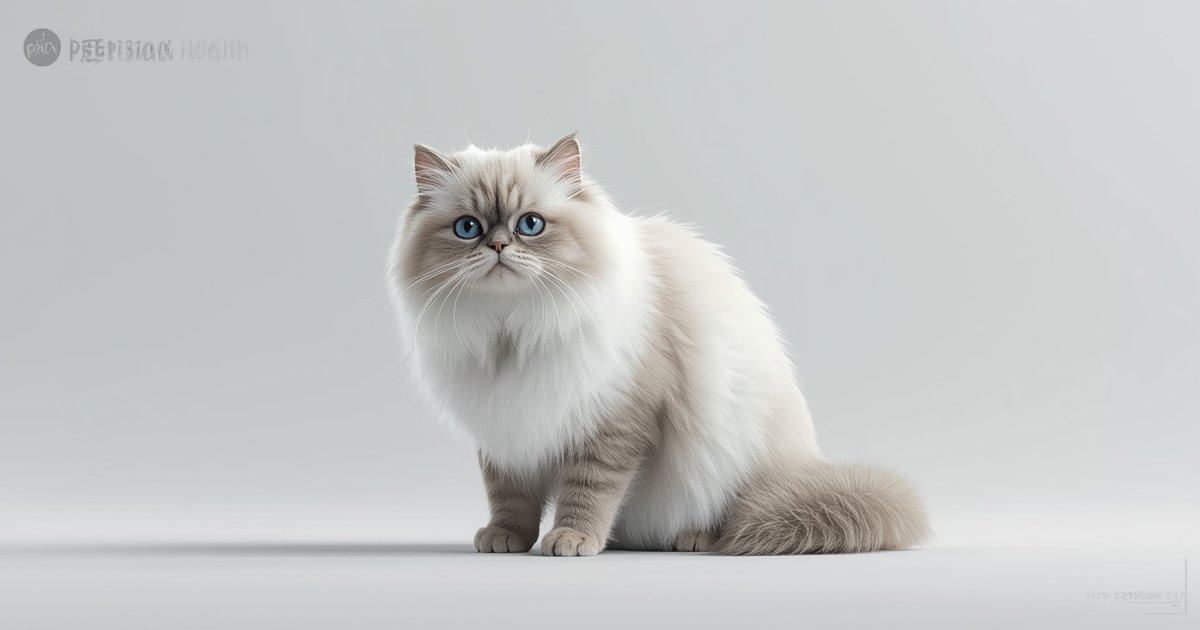
Persians possess a majestic appearance, characterized by their round heads, full cheeks, short noses, and large, expressive eyes. Their long, flowing double coat requires consistent grooming to prevent mats and tangles, which can lead to skin issues if neglected.
Beyond their beauty, Persians are known for their gentle and affectionate nature. They typically enjoy a calm indoor lifestyle, making them wonderful companions for many households. However, their sedentary tendencies mean owners must actively encourage play and monitor their diet to prevent obesity.
Common Challenges and Proactive Persian Health
Due to their brachycephalic (flat-faced) skull structure, Persians can experience breathing difficulties, dental problems, and excessive tearing. These characteristics make comprehensive Persian Health management crucial.
Early identification of potential issues and consistent preventative care are key. This includes regular veterinary check-ups, a tailored nutritional plan, and diligent home care. By staying ahead, you can mitigate many common breed-specific problems.
Essential Grooming for Optimal Persian Health
Grooming is not just about aesthetics for a Persian cat; it’s a vital component of their overall health. Their dense, long fur and unique facial structure demand a meticulous grooming routine. Neglecting this aspect can lead to serious skin infections, painful matting, and discomfort for your feline friend, directly impacting their Persian Health.
Establishing a daily grooming regimen from a young age will make the process easier and more enjoyable for both you and your cat. It’s a bonding experience that contributes significantly to their physical and emotional well-being.
Daily Brushing Techniques and Tools
A Persian’s coat needs daily attention to prevent mats. Without it, their beautiful fur can quickly become tangled and painful. Using the right tools is half the battle.
Start with a wide-toothed comb to gently work through larger sections, then follow with a slicker brush to remove loose hair and stimulate the skin. Always brush in the direction of hair growth, being extra careful around sensitive areas like the belly and armpits. Regular brushing also reduces shedding and the likelihood of hairballs.
Eye and Facial Cleaning for Brachycephalic Breeds
Due to their flat faces, Persians often experience excessive tearing, which can stain their fur and lead to skin irritation or infection if not cleaned regularly. This is a critical part of maintaining good Persian Health.
Use a soft, damp cloth or specialized pet eye wipes to gently clean around their eyes daily. Wipe away any discharge or crust, always using a fresh part of the cloth for each eye to prevent potential spread of bacteria. Ensure the fur in this area remains dry after cleaning to avoid moisture-related issues.
Nail Trimming and Dental Care Practices
Regular nail trims are essential to prevent overgrowth, which can cause discomfort, lead to ingrown nails, or interfere with walking. Aim to trim their nails every 2-4 weeks using appropriate cat nail clippers.
Dental hygiene is equally important for Persian Health. Their crowded teeth can make them prone to plaque and tartar buildup. Brushing their teeth several times a week with pet-specific toothpaste and a soft brush can significantly reduce the risk of dental disease. Incorporate dental treats or water additives as supplemental measures, but never as a replacement for brushing.
Comparison of Essential Grooming Gadgets for Persians
Advanced Grooming Tools for Your Persian
Technology has introduced several innovative tools that can streamline the grooming process and enhance your Persian’s comfort. Investing in quality gadgets can make a significant difference in maintaining their coat and overall cleanliness.
From advanced deshedding tools to specialized shampoos and automated grooming aids, there are many options available. Choosing the right tools depends on your cat’s specific coat type, sensitivity, and your personal preferences for ease of use.
| Product | Price | Pros | Cons | Best For |
|---|---|---|---|---|
| Pet grooming vacuum with deshedder attachment | $150-$250 | Efficiently removes loose hair, minimizes mess, versatile attachments | Can be noisy, some cats may fear it initially | Deep deshedding, minimizing airborne allergens, keeping home clean |
| Automated eye and face cleaner device | $80-$150 | Gently wipes tear stains, consistent cleaning schedule, reduces owner effort | Requires specific cleaning solutions, battery dependent | Daily tear stain prevention, sensitive cats, busy owners |
| UV sterilization dental scaler | $120-$200 | Targets plaque buildup, non-invasive, improved oral hygiene | Requires training and cooperation from cat, not a substitute for vet care | Targeted plaque reduction, maintaining fresh breath, preventative dental care |
Nutrition Strategies for a Thriving Persian
A well-balanced and appropriate diet is the cornerstone of excellent Persian Health. Given their unique facial structure and potential predisposition to specific conditions, selecting the right food is not merely about sustenance but about proactive wellness. The goal is to provide nutrients that support their luxurious coat, maintain a healthy weight, and address any breed-specific sensitivities.
The market offers a vast array of cat foods, making the choice overwhelming. Focusing on quality ingredients and understanding your cat’s individual needs will guide you toward the best dietary plan for your Persian.
Choosing High-Quality Cat Food
When selecting food for your Persian, prioritize high-quality protein sources. Look for formulas where real meat (e.g., chicken, salmon, turkey) is listed as the first ingredient. Avoid foods with excessive fillers, by-products, or artificial additives.
Consider formulas specifically designed for long-haired breeds, as these often contain a balanced ratio of Omega-3 and Omega-6 fatty acids to support skin and coat health. These specialized diets can also aid in reducing hairball formation.
Addressing Specific Dietary Needs and Sensitivities
Persians can be prone to hairballs due to their extensive grooming habits. A diet rich in fiber can help move ingested hair through the digestive tract, preventing blockages. Look for “hairball control” formulas that often include ingredients like psyllium husk or beet pulp.
Some Persians may also have sensitive stomachs or food allergies. If you notice digestive upset, consult your vet about hypoallergenic diets or limited ingredient formulas. These might involve novel proteins or grain-free options to identify and eliminate potential triggers, significantly improving their Persian Health.
Hydration Tips and Importance
Adequate hydration is critical for kidney function, urinary tract health, and overall Persian Health. Cats, by nature, often don’t drink enough water.
Encourage water intake by providing multiple water bowls in different locations, ensuring they are always clean and fresh. Consider a pet water fountain, as many cats prefer flowing water over still water. Incorporating wet food into their diet also significantly boosts their daily moisture intake.
The Role of Supplements in Persian Health
While a complete and balanced diet should provide most necessary nutrients, certain supplements can be beneficial under veterinary guidance. Omega fatty acid supplements can further enhance coat luster and skin health, reducing dryness and flaking.
Probiotics can support digestive health, especially for cats with sensitive stomachs or during periods of stress. Always consult your veterinarian before introducing any new supplements to ensure they are appropriate and dosed correctly for your specific Persian cat.
Proactive Veterinary Care and Common Health Concerns
Regular veterinary care is non-negotiable for maintaining optimal Persian Health. Even if your cat appears healthy, routine check-ups are crucial for early detection and prevention of potential issues. Persians are a breed with several known predispositions, making vigilant medical oversight even more important.
Partnering with a trusted veterinarian who understands the specific needs of brachycephalic breeds will provide invaluable peace of mind and contribute significantly to your cat’s longevity and quality of life.
The Importance of Regular Check-ups in 2026
In 2026, advances in veterinary medicine mean more precise diagnostics and preventative treatments are available. Annual wellness exams for adult Persians, and more frequent visits for kittens or senior cats, are vital.
During these visits, your vet will perform a thorough physical examination, check weight, assess dental health, and discuss any behavioral changes. Vaccinations, parasite control, and routine bloodwork (especially for older cats) are also standard components of comprehensive Persian Health care. These check-ups are key to catching issues like kidney disease or diabetes early.
Recognizing Signs of Illness
As a devoted owner, you are your Persian’s first line of defense. Knowing what’s normal for your cat allows you to quickly spot signs that something is amiss. Changes in appetite or water consumption, lethargy, vomiting, diarrhea, difficulty breathing, limping, or unusual vocalizations all warrant a call to your vet.
Even subtle changes in grooming habits or litter box usage can indicate underlying health problems. Don’t hesitate to seek professional advice if you have any concerns about your Persian Health.
Breed-Specific Health Issues to Monitor
Persian cats are genetically predisposed to several conditions due to selective breeding. Awareness of these is crucial for their long-term Persian Health:
– Polycystic Kidney Disease (PDK): An inherited condition where cysts form in the kidneys. Genetic testing can identify carriers, and regular ultrasound screenings can monitor kidney health.
– Brachycephalic Airway Syndrome: Due to their flattened faces, Persians can suffer from narrowed nostrils, elongated soft palates, or tracheal hypoplasia, leading to breathing difficulties. Watch for snoring, noisy breathing, or exercise intolerance.
– Eye Conditions: Excessive tearing (epiphora) is common, but also watch for entropion (inward-turning eyelids) or cherry eye.
– Hypertrophic Cardiomyopathy (HCM): A common heart disease in cats, characterized by thickening of the heart muscle. Regular cardiac screenings (e.g., echocardiograms) can help monitor this condition.
– Hip Dysplasia: While more common in larger dog breeds, Persians can also be affected, leading to discomfort and mobility issues.
Preventative Measures and Advanced Diagnostics
Beyond routine exams, modern veterinary care offers advanced tools to safeguard Persian Health. Genetic testing can screen for conditions like PDK, allowing breeders and owners to make informed decisions.
Regular dental cleanings under anesthesia are often recommended to prevent severe dental disease. If your Persian shows signs of respiratory distress, your vet might recommend imaging (X-rays) or even surgical intervention to improve airflow. Discuss these options with your vet to create a tailored preventative plan.
Creating a Safe and Stimulating Environment
The environment your Persian cat lives in plays a significant role in their physical and mental Persian Health. As predominantly indoor cats, their living space must be optimized for safety, comfort, and engagement. A well-designed home environment reduces stress, encourages natural behaviors, and prevents boredom, all contributing to a happier, healthier cat.
Consider your home through your cat’s eyes. What opportunities for play, rest, and exploration does it offer? How safe is it from potential hazards?
Benefits and Challenges of Indoor Living
Keeping Persians indoors protects them from outdoor dangers like traffic, predators, and exposure to infectious diseases or parasites. This controlled environment significantly contributes to their overall Persian Health and longevity.
However, indoor living also presents challenges. Cats need mental and physical stimulation that an outdoor environment naturally provides. Lack of enrichment can lead to boredom, stress, and behavioral problems. Therefore, it’s crucial to bring the “outdoors in” responsibly.
Environmental Enrichment for Mental and Physical Well-being
To keep your Persian stimulated, provide a variety of enrichment options:
– Vertical Spaces: Cats love to climb. Cat trees, shelves, or wall-mounted perches offer safe vantage points and exercise opportunities.
– Interactive Toys: Rotate a selection of toys, including wand toys, puzzle feeders, and crinkle balls, to keep their interest piqued. Engage in play sessions daily to encourage activity.
– Scratching Posts: Offer various textures and orientations (vertical, horizontal) to satisfy their natural urge to scratch and maintain nail health.
– Window Perches: Give them a view of the outside world, which can be endlessly fascinating. Ensure windows are secure.
– Safe Plants: Introduce cat-friendly plants like catnip or cat grass for them to chew and enjoy.
Stress Reduction Techniques
Persians generally thrive in calm environments. Minimize sudden loud noises and provide plenty of quiet, secluded resting spots. A consistent daily routine for feeding and play can also provide a sense of security.
If your household experiences changes, such as moving or introducing a new pet, provide extra comfort and reassurance. Pheromone diffusers can also help create a calming atmosphere, aiding in maintaining optimal Persian Health during stressful periods.
Ensuring Safety from Household Hazards
Pet-proofing your home is essential. Store toxic chemicals, medications, and cleaning supplies securely out of reach. Many common houseplants are poisonous to cats, so identify and remove them or place them in inaccessible areas.
Be mindful of small objects that could be swallowed, such as string, rubber bands, or small toys. Secure electrical cords and ensure windows and doors are always closed. A safe home environment is fundamental to preventing accidents and supporting long-term Persian Health.
Embarking on the journey of caring for a Persian cat is immensely rewarding. By understanding their unique needs, committing to a diligent grooming routine, providing optimal nutrition, maintaining proactive veterinary care, and creating a safe, stimulating home environment, you are laying the foundation for an incredibly healthy and joyful life for your feline companion. The year 2026, with its advancements in pet care, offers more tools and knowledge than ever before to ensure your Persian thrives.
Remember, the bond you share with your Persian is built on trust and consistent care. By dedicating yourself to these core principles of Persian Health, you will not only prevent common issues but also foster a deeper connection with your regal companion. Continue to educate yourself, consult with veterinary professionals, and adapt your care routines as your cat ages to ensure they receive the best possible attention at every stage of their life.
For more expert advice and personalized guidance on Persian Health, contact our team of veterinary specialists today!
Frequently Asked Questions About Persian Health
How often should I brush my Persian cat?
Persian cats require daily brushing due to their long, dense coats. This prevents matting, reduces shedding, and minimizes the formation of hairballs, which are crucial for their comfort and skin health.
What’s the best diet for a Persian cat?
The best diet for a Persian cat is a high-quality, protein-rich food, ideally formulated for long-haired or brachycephalic breeds. Look for real meat as the first ingredient and consider wet food to boost hydration. Consult your vet for personalized dietary recommendations.
What are common health problems in Persians?
Common health problems include Polycystic Kidney Disease (PDK), Brachycephalic Airway Syndrome, various eye conditions (like excessive tearing or entropion), Hypertrophic Cardiomyopathy (HCM), and dental issues due to their facial structure. Regular vet check-ups are vital for early detection.
How can I prevent hairballs in my Persian?
Prevent hairballs with daily brushing to remove loose fur, feeding a high-fiber “hairball control” diet, and ensuring adequate hydration. Some owners also use vet-recommended hairball paste or supplements.
Do Persian cats need special eye care?
Yes, due to their flat faces, Persians often have excessive tearing and tear staining. Daily cleaning around their eyes with a damp cloth or specialized pet eye wipes is essential to prevent irritation and infection.
References and Further Reading
– The Cornell Feline Health Center: https://www.vet.cornell.edu/departments-centers-and-institutes/cornell-feline-health-center
– American Veterinary Medical Association (AVMA): https://www.avma.org
– Cat Fanciers’ Association (CFA) – Persian Breed Profile: https://cfa.org/persian/
– PetMD – Persian Cat Health: https://www.petmd.com/cat/breeds/c_ct_persian
Leave a Reply