

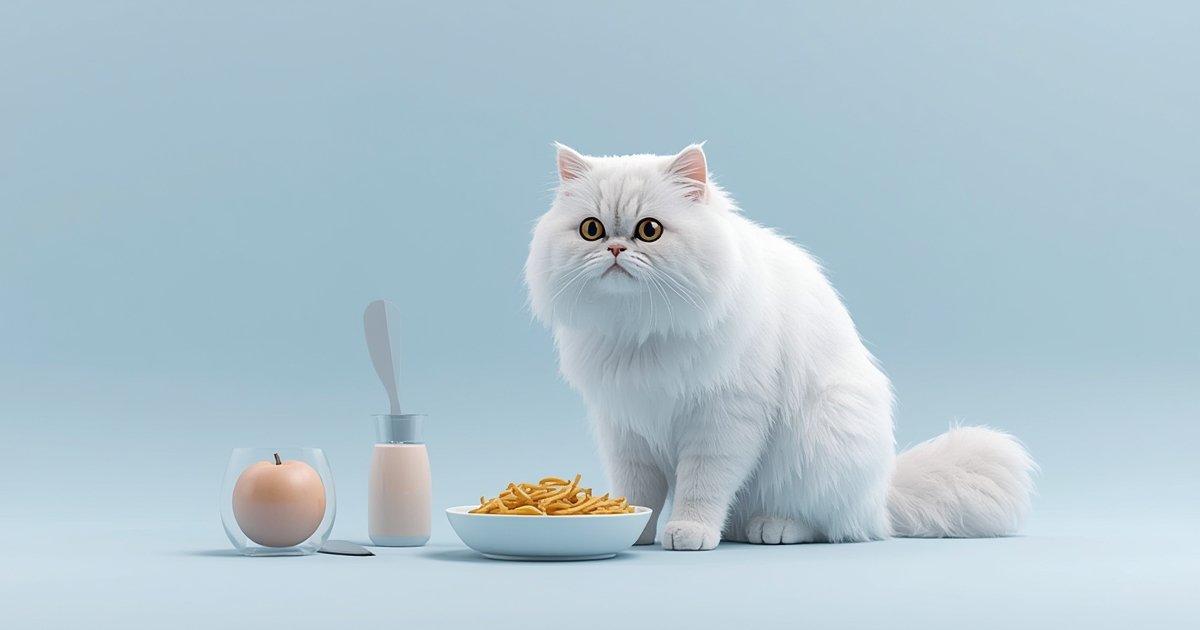
Meta Description: Unlock the secrets to your Persian cat’s optimal health! Discover the best Persian Diet for 2026, covering nutrition, feeding tips, and common mistakes to avoid.
Your Persian cat, with its luxurious coat and sweet disposition, is a truly special companion. But beneath that beautiful exterior lies a unique set of dietary needs that demand careful attention. Ensuring your feline friend receives the proper Persian Diet is paramount not just for their stunning appearance but, more importantly, for their long-term health and vitality. As we move towards 2026, veterinary science and pet nutrition continue to evolve, offering new insights into what truly constitutes the best sustenance for these magnificent creatures.
Understanding the Unique Nutritional Needs of Your Persian Cat
Persian cats are known for several distinctive physical traits, including their brachycephalic (flat) faces and long, dense coats. These characteristics, while charming, directly influence their dietary requirements and how they consume food. A well-considered Persian Diet takes these factors into account, ensuring proper nutrient absorption and overall well-being.
Their flat faces can sometimes make it challenging for them to pick up certain types of kibble, leading to messy eating habits or difficulty getting enough food. This often means specific kibble shapes or a preference for wet food might be more suitable. Furthermore, their long hair increases the likelihood of hairball formation, a common issue that diet can significantly help to mitigate. Nutritional support for skin and coat health is also crucial, as a healthy diet directly translates to a shiny, luxurious mane.
High Protein Requirements for the Persian Diet
Cats are obligate carnivores, meaning their bodies are designed to derive nutrients primarily from animal sources. This is especially true for the Persian cat, which thrives on a high-protein diet. Protein provides the essential amino acids necessary for muscle maintenance, tissue repair, enzyme production, and a strong immune system.
Look for diets where the first few ingredients are animal proteins such as chicken, turkey, salmon, or beef. A high-quality Persian Diet should contain at least 30-40% protein on a dry matter basis. This ensures they receive the necessary building blocks for their demanding metabolic processes. Inadequate protein can lead to muscle wasting, a dull coat, and general lethargy, none of which you want for your regal Persian.
The Importance of Hydration
While often overlooked, hydration is a cornerstone of a healthy Persian Diet. Cats naturally have a low thirst drive, often not drinking enough water, especially if they are primarily fed dry kibble. Chronic dehydration can lead to serious health issues, particularly kidney problems and urinary tract infections.
Incorporating wet food into their daily regimen is an excellent way to boost their fluid intake. Wet food typically contains around 70-80% moisture, significantly more than dry kibble, which usually hovers around 10%. Offering multiple water bowls, cat fountains, or even adding a small amount of water to their dry food can also encourage better drinking habits and contribute positively to their overall hydration status. This proactive approach to hydration is a vital component of any responsible Persian Diet plan.
Deciphering Food Labels: What to Look For in a Quality Persian Diet
Navigating the myriad of pet food options can be overwhelming. Understanding how to read food labels is crucial for selecting the best Persian Diet. The ingredient list, guaranteed analysis, and nutritional adequacy statement are your primary tools for making informed decisions.
Prioritize foods that list animal-based proteins as the first few ingredients. Avoid products that heavily rely on plant-based proteins or contain excessive fillers like corn, wheat, or soy, which offer little nutritional value to an obligate carnivore. The “guaranteed analysis” provides percentages of crude protein, fat, fiber, and moisture. For a Persian, aim for higher protein and moderate fat content.
Key Ingredients and What to Avoid
A superior Persian Diet emphasizes whole, natural ingredients. Look for identifiable meat sources, healthy fats, and minimal carbohydrates. Essential fatty acids, particularly Omega-3 and Omega-6, are vital for maintaining their magnificent coat and healthy skin, as well as supporting cognitive function and reducing inflammation. Ingredients like salmon oil, flaxseed, and chicken fat are good sources.
Artificial colors, flavors, and preservatives should be avoided. These additives provide no nutritional benefit and can sometimes trigger allergies or sensitivities in susceptible cats. Similarly, generic “meat by-products” should be approached with caution, as their quality can vary widely. Opt for foods that specify the source of their animal proteins and fats.
Navigating Different Food Types
The choice between dry kibble, wet food, and raw or home-cooked diets depends on various factors, including your cat’s preferences, health status, and your lifestyle. Each type presents its own set of advantages and considerations for a comprehensive Persian Diet.
Dry kibble is convenient, can help clean teeth, and has a longer shelf life. However, it’s low in moisture and often higher in carbohydrates. Wet food is excellent for hydration and typically has fewer carbohydrates but can be more expensive and requires refrigeration after opening. Raw or home-cooked diets offer complete control over ingredients but require careful preparation and balancing to ensure nutritional completeness, often needing veterinary guidance to avoid deficiencies.
Comparison of Ideal Persian Diet Options for 2026
When considering the diverse options for your Persian cat’s nutrition, it’s helpful to compare the general categories of food available. Each has distinct characteristics that may appeal to different owners and feline needs, contributing to a holistic Persian Diet strategy.
| Product | Price | Pros | Cons | Best For |
|---|---|---|---|---|
| Premium Dry Kibble (Grain-Free, High Protein) | $30-$70 per 5lb bag | Convenient, supports dental health, long shelf life. Often formulated with specialized shapes for brachycephalic breeds. | Lower moisture content, can contribute to dehydration if not supplemented with water. Higher carbohydrate content than wet/raw. | Owners prioritizing convenience and dental care, who ensure supplemental hydration. |
| High-Quality Wet Food (Pâté or Flaked) | $20-$50 per 12-pack cans | Excellent hydration, typically lower in carbohydrates, palatable, easy for flat-faced cats to eat. Rich in animal protein. | More expensive per serving, shorter shelf life once opened, can be messy. Does not contribute to dental abrasion. | Cats needing increased moisture intake, picky eaters, or those prone to urinary issues. |
| Frozen Raw/Freeze-Dried Raw Diet | $40-$100 per 3lb bag/tub | Mimics natural feline diet, highly digestible, high moisture (if rehydrated), excellent for coat and skin health. | Requires careful handling for safety, higher cost, demands specific storage, balanced formulations are crucial. | Owners committed to a species-appropriate diet, willing to invest time in preparation and safety. |
Feeding Strategies and Portions: Tailoring the Persian Diet to Your Feline
Once you’ve selected the right food, implementing proper feeding strategies is the next step to ensuring your Persian thrives. The amount, frequency, and method of feeding all play a critical role in maintaining optimal weight and health for your cat.
Free-feeding (leaving food out all day) can lead to overeating and obesity, especially in indoor cats with lower activity levels. Portion control is often recommended to manage your Persian’s weight effectively. Consult with your veterinarian to determine the ideal caloric intake based on your cat’s age, weight, and activity level.
Age-Specific Dietary Considerations
A Persian’s nutritional needs change significantly throughout their life stages. Kittens require more calories and protein to support rapid growth and development. They should be fed specially formulated kitten food several times a day.
Adult Persians (1-7 years old) generally maintain a stable diet, with portions adjusted to their activity. Senior Persians (7+ years) may benefit from foods designed for older cats, which often contain joint support supplements and are formulated to be easier to digest, with adjusted protein and calorie levels to support aging organs. Regular veterinary check-ups will help tailor the Persian Diet to these evolving needs.
Managing Weight and Activity Levels
Obesity is a growing concern in companion animals, and Persian cats are no exception. An overweight cat is at higher risk for diabetes, arthritis, heart disease, and liver problems. Monitoring your cat’s body condition score is essential. You should be able to feel their ribs without seeing them, and they should have a discernible waist.
Combine precise portion control with regular exercise to keep your Persian at a healthy weight. While not always as active as some breeds, engaging them with interactive toys, laser pointers, or even short play sessions can make a significant difference. If your cat is gaining too much weight, a conversation with your vet about a weight management Persian Diet is crucial.
Common Dietary Mistakes and How to Avoid Them
Even with the best intentions, owners can sometimes make dietary choices that inadvertently harm their Persian cat’s health. Awareness of these common pitfalls is key to providing a truly optimal Persian Diet.
One frequent mistake is changing food too abruptly. This can upset your cat’s sensitive digestive system, leading to vomiting or diarrhea. Always transition to a new food gradually over 7-10 days, mixing increasing amounts of the new food with decreasing amounts of the old. Another error is assuming that all “cat food” is created equal; quality varies immensely, and cheap fillers offer little nutritional value.
The Dangers of Human Food
Sharing your meals with your Persian might seem like a loving gesture, but many human foods are toxic or unhealthy for cats. Foods like chocolate, grapes, raisins, onions, garlic, and avocado can cause serious health problems. Even seemingly harmless items like dairy products can cause digestive upset in many cats who are lactose intolerant.
Stick to a cat-specific Persian Diet formulated by experts. If you wish to offer treats, choose commercially available cat treats in moderation, or offer small, plain pieces of cooked meat (like chicken or fish) specifically prepared without seasonings or bones. Always research before introducing any new food item, however small.
Recognizing Food Allergies and Sensitivities
Just like humans, cats can develop allergies or sensitivities to certain ingredients in their food. Common culprits include chicken, beef, dairy, and fish. Symptoms can manifest as skin issues (itching, redness, hair loss), gastrointestinal problems (vomiting, diarrhea, gas), or respiratory symptoms (coughing, sneezing).
If you suspect your Persian has a food allergy, consult your veterinarian. They may recommend an elimination diet, where your cat is fed a novel protein source or a hydrolyzed protein diet for several weeks to identify the offending ingredient. Managing a food allergy often involves selecting a specialized Persian Diet free of the allergen.
Supplements and Special Considerations for the Persian Diet
While a high-quality, balanced Persian Diet should meet most of your cat’s nutritional needs, there are instances where supplements can provide additional support, especially given the breed’s specific predispositions. However, always consult your veterinarian before adding any supplements.
Over-supplementation can be as harmful as deficiencies. Your vet can advise whether a particular supplement is necessary and in what dosage. Hairball remedies, for instance, are commonly used for Persians due to their long coats, but diet can often play a primary role in management.
Omega Fatty Acids and Skin Health
Persian cats are renowned for their magnificent, long coats, which require significant nutritional support to remain healthy and lustrous. Omega-3 and Omega-6 fatty acids are crucial for maintaining skin integrity and coat quality, reducing shedding, and minimizing inflammation.
These essential fats are often found in fish oils (salmon, sardine, anchovy) or flaxseed oil. If your chosen Persian Diet doesn’t provide adequate levels, your vet might recommend a supplement. A healthy coat is not just aesthetically pleasing; it’s also a strong indicator of overall health.
Probiotics and Digestive Wellness
Digestive issues can sometimes plague Persian cats, from sensitive stomachs to hairball-related blockages. Probiotics, which introduce beneficial bacteria to the gut, can help support a healthy digestive system, improve nutrient absorption, and boost immune function.
If your Persian experiences frequent digestive upsets, stress-induced diarrhea, or is on antibiotics, a probiotic supplement might be beneficial. Again, discussing this with your vet is paramount to choose the right product and dosage to complement your Persian Diet.
Ensuring your Persian cat receives the best possible diet is a continuous journey, evolving with their age, health, and the latest nutritional science. By focusing on high-quality, animal-based proteins, prioritizing hydration, and understanding how to read food labels, you can provide a Persian Diet that supports their unique needs. Regular veterinary check-ups are invaluable for tailoring their nutrition and addressing any specific health concerns. Remember, a healthy diet is the foundation for a happy, long, and vibrant life with your cherished feline companion.
Frequently Asked Questions About Persian Cat Diets
What is the best type of protein for a Persian cat?
The best type of protein for a Persian cat is animal-based protein, such as chicken, turkey, salmon, or beef. As obligate carnivores, their digestive systems are optimized to process animal proteins, which provide all the essential amino acids they need for optimal health.
How much food should I feed my Persian cat?
The amount of food depends on your Persian cat’s age, weight, activity level, and the caloric density of the food. Always follow the feeding guidelines on the food packaging as a starting point, but consult your veterinarian to determine the precise portion sizes for your individual cat to maintain a healthy weight.
Is wet food or dry food better for a Persian cat?
Both wet and dry food can be part of a healthy Persian Diet. Wet food is excellent for hydration and typically lower in carbohydrates, which is beneficial for cats. Dry food can help with dental health and is convenient. Many owners choose a combination of both to leverage the benefits of each.
How can I prevent hairballs in my Persian cat through diet?
A diet rich in high-quality protein and balanced in fiber can help prevent hairballs. Some cat foods are specifically formulated with added fiber to aid in the passage of swallowed hair through the digestive tract. Adequate hydration, often achieved through wet food, also helps.
What should I do if my Persian cat is a picky eater?
Picky eating can be common in Persians. Try offering a variety of high-quality foods (wet, dry, or a mix) to see what they prefer. Ensure their bowls are clean, they have fresh water, and their eating area is quiet. If pickiness persists or is accompanied by weight loss, consult your vet to rule out underlying health issues.
References and Further Reading
– The American Association of Feline Practitioners (AAFP) Guidelines
– Cornell Feline Health Center: Nutritional Needs of Cats
– World Small Animal Veterinary Association (WSAVA) Global Nutrition Guidelines
Leave a Reply