

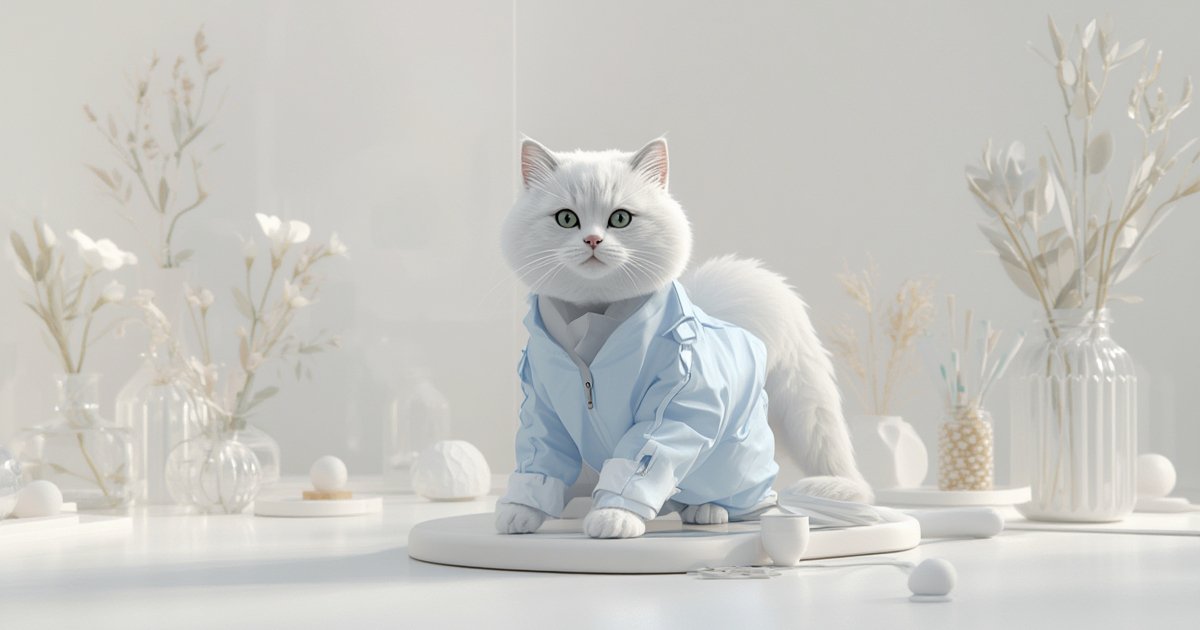
Caring for a Persian cat is a unique privilege, but ensuring their well-being in 2026 requires understanding their specific needs. This guide delves into essential aspects of Persian Health, covering nutrition, grooming, and proactive care to help your beloved feline companion thrive.
Understanding the Unique Needs of Your Persian Cat
Persian cats are renowned for their luxurious long coats, distinctive flat faces, and sweet, docile temperaments. However, these very characteristics that make them so appealing also present specific care requirements that owners must address.
Their brachycephalic (flat-faced) skull structure, for instance, can lead to respiratory and ocular issues. Their long, dense fur is prone to matting and requires daily attention. Understanding these inherent traits is the first step towards ensuring optimal Persian Health and a long, comfortable life for your companion.
The Persian Temperament and Lifestyle
Persians are typically indoor cats, preferring a calm and stable environment. They are not known for their athleticism or high energy levels, often content to lounge gracefully rather than scale curtains. This gentle nature means they thrive on consistent routines and quiet companionship.
Their affectionate but not overly demanding personality makes them wonderful companions, especially for those seeking a tranquil presence. However, their indoor lifestyle means you are entirely responsible for their physical and mental stimulation, as well as maintaining pristine Persian Health.
Common Genetic Predispositions
While generally robust, Persian cats are known to be predisposed to certain genetic conditions. Awareness and early detection are crucial for managing these issues effectively.
- Polycystic Kidney Disease (PKD): A common inherited condition where cysts form in the kidneys, potentially leading to kidney failure. DNA testing is available for early detection.
- Hypertrophic Cardiomyopathy (HCM): A heart condition characterized by the thickening of the heart muscle. Regular veterinary check-ups, including cardiac screenings, are important.
- Progressive Retinal Atrophy (PRA): A group of degenerative eye diseases that can lead to blindness. Responsible breeders screen for this condition.
- Feline Infectious Peritonitis (FIP): While not genetic, Persians can have a higher incidence of this viral disease, which can be fatal. Maintaining a strong immune system through good nutrition and minimal stress is key.
Working closely with your veterinarian and choosing a reputable breeder are vital steps in mitigating the risks associated with these predispositions and safeguarding your cat’s Persian Health.
Essential Nutritional Strategies for Optimal Persian Health
Nutrition is the cornerstone of good health for any cat, but for Persians, a tailored diet is particularly important due to their unique physiology. Their flattened facial structure can make eating certain types of kibble difficult, and their long coat demands specific nutrients for maintenance.
The goal is a balanced diet that supports their energy levels, promotes a healthy coat, strengthens their immune system, and helps manage their weight, especially given their less active lifestyle. Proper nutrition is a direct investment in your cat’s long-term Persian Health.
Choosing the Right Diet and Food Type
When selecting food for your Persian, consider kibble shapes and sizes designed for brachycephalic breeds. These often have a flatter, wider shape, making it easier for them to pick up and chew.
Many owners opt for a mix of wet and dry food. Wet food provides essential hydration and can be more palatable, while dry food helps with dental hygiene. Look for high-quality animal protein as the primary ingredient, followed by healthy fats and complex carbohydrates.
Key Nutritional Considerations
- High-Quality Protein: Essential for muscle maintenance and overall body function. Look for chicken, turkey, salmon, or beef.
- Omega Fatty Acids: Crucial for skin health and maintaining that lustrous coat, as well as cognitive function. Fish oil supplements can be beneficial.
- Fiber: Aids digestion and helps reduce hairballs, a common issue for long-haired breeds.
- Limited Carbohydrates: Cats are obligate carnivores; their diet should be meat-heavy.
Avoid foods with excessive fillers, artificial colors, or by-products. Reading ingredient labels carefully is paramount. Consult your vet for personalized dietary recommendations, especially if your cat has specific health concerns related to Persian Health.
Hydration and Supplements
Ensuring your Persian cat is adequately hydrated is just as important as the food they eat. Many cats don’t drink enough water, which can contribute to urinary tract issues. Fresh, clean water should always be available, and consider using ceramic or stainless steel bowls, or even a pet drinking fountain, to encourage water intake.
Water fountains are often appealing to cats because they provide running water, mimicking a natural, fresh source. If your cat primarily eats dry food, incorporating wet food into their diet is an excellent way to boost their hydration levels.
Beneficial Supplements for Persian Health
While a balanced diet should provide most necessary nutrients, certain supplements can be beneficial for Persians, particularly as they age or if they have specific needs.
- Hairball Control Supplements: These often contain lubricants like psyllium husk or petroleum jelly to help hairballs pass through the digestive system.
- Omega-3 Fatty Acids: Fish oil supplements can improve coat health, reduce inflammation, and support joint health.
- Probiotics: Can aid digestion and support a healthy gut microbiome, which is crucial for overall immunity.
- Joint Supplements: For older Persians, supplements containing glucosamine and chondroitin can help maintain joint mobility and comfort.
Always discuss any supplements with your veterinarian before introducing them to your cat’s routine, as excessive supplementation can be harmful. The right balance of diet and hydration is key to robust Persian Health.
Grooming Routines: Beyond Just a Beautiful Coat
The Persian cat’s iconic long, flowing coat is undeniably beautiful, but it requires significant commitment to maintain. Daily grooming is not just about aesthetics; it’s a critical component of their overall well-being and prevents serious health issues.
Neglecting grooming can lead to painful mats, skin infections, and digestive problems from ingested hairballs. Establishing a consistent grooming routine from a young age will make the process easier for both you and your cat, contributing positively to their Persian Health.
Daily Brushing and Mat Prevention
Brushing your Persian cat daily is non-negotiable. Their double coat, consisting of a soft undercoat and a longer topcoat, easily tangles and mats. Mats are not just unsightly; they pull on the skin, causing pain and creating breeding grounds for parasites and skin infections.
Use a combination of tools: a wide-toothed comb to gently work through tangles and a slicker brush to remove loose hair and smooth the coat. Pay special attention to areas prone to matting, such as under the legs, behind the ears, and around the tail. Regular brushing stimulates blood circulation and distributes natural skin oils, enhancing coat health.
Addressing Facial and Eye Care
Due to their brachycephalic faces, Persians are prone to excessive tearing, which can stain their fur and lead to skin irritation. Daily cleaning of their eyes is essential.
- Gently wipe around their eyes with a soft, damp cloth or a vet-approved eye cleaner to remove tear stains and crust.
- Check for any signs of irritation, redness, or excessive discharge, which could indicate an infection or other eye problem.
- Keep the hair around their eyes trimmed short to prevent it from irritating the eye surface.
Neglecting this can lead to skin infections and discomfort. Consistent facial care is a small but vital part of maintaining optimal Persian Health.
Dental Care Innovations for Persian Health
Dental health is often overlooked but is crucial for your cat’s overall well-being. Periodontal disease is rampant in cats, leading to pain, tooth loss, and systemic health problems if bacteria enter the bloodstream.
Regular dental care, including brushing, dental treats, and professional cleanings, can significantly prevent these issues. With advances in pet dental care, maintaining good oral hygiene for your Persian has become more effective.
Modern Approaches to Feline Dental Hygiene
- Daily Tooth Brushing: The gold standard. Use a feline-specific toothbrush and toothpaste (never human toothpaste). Start slowly and make it a positive experience.
- Dental Diets: Specially formulated kibble that helps scrape plaque off teeth as your cat chews.
- Dental Chews and Treats: Can help reduce plaque and tartar buildup, but choose reputable brands and monitor caloric intake.
- Water Additives: Some additives are designed to reduce bacteria in drinking water, contributing to fresher breath and healthier gums.
- Professional Dental Cleanings: Your vet may recommend annual or bi-annual professional cleanings under anesthesia to scale and polish teeth and address any underlying issues.
Early intervention and consistent dental care are key to preventing painful and costly dental diseases, ensuring your Persian enjoys good health from nose to tail.
Proactive Veterinary Care and Common Persian Health Concerns
Regular veterinary check-ups are paramount for identifying potential health issues early, especially given the Persian breed’s predispositions. Establishing a strong relationship with a veterinarian who understands the nuances of Persian Health is invaluable.
Preventive care, including vaccinations, parasite control, and routine diagnostics, forms the backbone of a strategy to ensure your cat lives a long and healthy life. Don’t wait for symptoms to appear; proactive visits are key.
Early Detection and Prevention
Annual or bi-annual wellness exams allow your vet to thoroughly assess your cat’s condition, monitor weight, check dental health, and discuss any changes in behavior or appetite. These visits are also an opportunity to update vaccinations and discuss flea, tick, and heartworm prevention.
For Persians, specific screenings might be recommended, such as ultrasound for PKD or echocardiograms for HCM. Early detection of these conditions allows for more effective management and can significantly improve your cat’s quality of life and longevity.
Recognizing Signs of Trouble
As a devoted owner, you are often the first to notice subtle changes in your cat’s behavior or physical condition. Being vigilant is crucial:
- Changes in Appetite or Thirst: Can indicate dental problems, kidney disease, or diabetes.
- Lethargy or Reduced Activity: May point to pain, illness, or heart issues.
- Changes in Urination or Defecation: Could signal urinary tract infections, kidney disease, or digestive upset.
- Respiratory Difficulties: Snoring, wheezing, or open-mouth breathing are serious signs due to their brachycephalic nature.
- Excessive Grooming or Scratching: Often indicative of skin allergies, parasites, or pain.
Any persistent change should warrant a visit to the vet. Your attentiveness combined with professional veterinary care is the best defense for optimal Persian Health.
Smart Monitoring Tools for Your Feline Friend
Advancements in pet technology offer new ways to monitor your cat’s health and well-being from home. These gadgets can provide valuable data to complement veterinary care, helping you stay informed about your Persian’s daily activities and health metrics.
From smart feeders to activity trackers, these tools empower owners to be more proactive in their pet’s care. They can offer peace of mind and alert you to potential issues before they become severe.
Comparison of Top Smart Pet Monitoring Gadgets
| Product | Price | Pros | Cons | Best For |
|---|---|---|---|---|
| SureFeed Microchip Pet Feeder Connect | $199 | Ensures only designated pet eats, monitors food intake via app, ideal for multi-pet homes. | Requires specific microchip/RFID tag, higher initial cost. | Portion control, multi-pet feeding, dietary management. |
| Petcube Bites 2 Lite | $199 | Interactive treat dispenser, 1080p HD camera with 160-degree view, two-way audio. | Subscription required for some features (cloud recording), can be loud when dispensing treats. | Remote interaction, monitoring anxiety, behavior modification. |
| Whistle GO Explore GPS Pet Tracker | $129 (plus subscription) | GPS tracking, activity monitoring, health insights based on activity and sleep patterns. | Requires monthly subscription, battery life varies with usage. | Monitoring activity levels, outdoor safety (if applicable), early detection of changes. |
| Litter-Robot 4 | $699 | Self-cleaning litter box, waste drawer full alerts, tracks litter box usage and weight via app. | Very high initial cost, large footprint, requires specific litter. | Odor control, tracking elimination patterns, monitoring for UTIs. |
While these tools are fantastic for gathering data and maintaining routine, they are not a substitute for professional veterinary examinations. They are best used as supplementary aids to support your cat’s overall Persian Health strategy.
Creating a Stimulating and Safe Environment for Longevity
An indoor-only lifestyle is generally recommended for Persian cats to protect them from outdoor hazards such as traffic, predators, and infectious diseases. However, an indoor environment must be rich and stimulating to prevent boredom and promote physical and mental well-being.
A safe, enriching home environment contributes significantly to a cat’s happiness and longevity, playing a direct role in maintaining robust Persian Health.
Mental Enrichment and Play
Even though Persians are less active, they still require mental stimulation. Interactive play sessions are crucial for preventing boredom, maintaining a healthy weight, and strengthening your bond with your cat.
Short, regular play sessions (5-10 minutes, several times a day) using feather wands, laser pointers, or soft toys can encourage activity. Puzzle feeders are excellent for engaging their minds while slowing down their eating, which can aid digestion and prevent overeating.
Enhancing Your Cat’s Indoor World
- Vertical Space: Cats love to climb. Provide cat trees, shelves, or window perches where your Persian can observe their surroundings from a safe vantage point.
- Scratching Posts: Offer various types (sisal, cardboard, carpet) to satisfy their natural urge to scratch and maintain paw health.
- Sunbeams: Persians adore sunbathing. Ensure there are safe, warm spots where they can relax and soak up some rays.
- Rotation of Toys: Keep playtime fresh by rotating toys regularly, so they don’t get bored with the same items.
A stimulating environment prevents behavioral issues stemming from boredom and contributes to a content, well-adjusted cat, vital for their overall Persian Health.
Safety Measures and Home Modifications
Childproofing your home isn’t just for children; it’s essential for pets too. Many common household items can be toxic or dangerous to cats.
Review your home for potential hazards, including toxic plants, cleaning products, medications, and small objects that could be swallowed. Ensure windows are securely screened, and balconies are enclosed to prevent accidental falls.
Temperature Control and Air Quality
Persians, with their long coats and brachycephalic faces, can be particularly sensitive to heat. Ensure your home is kept at a comfortable temperature, especially during warmer months. Access to cool, shaded areas is vital.
Good air quality is also important. Avoid smoking indoors and use pet-safe air fresheners if necessary. Dust and allergens can affect their respiratory systems, so regular cleaning is beneficial. A controlled environment is paramount for safeguarding Persian Health.
The Emotional Bond: Nurturing Your Persian’s Well-being
Beyond physical care, the emotional well-being of your Persian cat plays a significant role in their overall health and longevity. These gentle creatures thrive on affection and a stable, loving environment. A strong emotional bond contributes to a lower stress level, which in turn boosts their immune system and overall resilience.
Your interaction, presence, and consistent care are central to their happiness. Nurturing this bond is perhaps the most rewarding aspect of owning a Persian and profoundly impacts their long-term Persian Health.
Consistency and Routine
Cats are creatures of habit, and Persians particularly appreciate a predictable routine. Consistent feeding times, play sessions, and grooming schedules help them feel secure and reduce anxiety.
Sudden changes in their environment or routine can be stressful. If changes are necessary, introduce them gradually to allow your cat to adjust. A stable home environment fosters peace of mind for your feline companion.
Affection and Attention
While some cats are independent, Persians typically enjoy quiet companionship and gentle affection. Regular petting, cuddling, and soft verbal interaction reinforce your bond.
They may not be lap cats all the time, but they often appreciate being in the same room as their human family. Observe your cat’s preferences for interaction and respect their boundaries. A cat that feels loved and secure is a happy, healthier cat.
Providing a long and healthy life for your Persian cat in 2026 is a commitment that encompasses diligent care in every aspect of their lives. From precise nutrition and rigorous grooming to proactive veterinary attention and a stimulating home, each element contributes to their well-being. Prioritizing their unique needs and fostering a strong, loving bond ensures not only their physical health but also their emotional happiness. Embrace the journey of caring for these magnificent creatures, and you will be rewarded with years of gentle companionship and purrs.
For personalized advice or further questions, connect with a Dax AI expert today.
Frequently Asked Questions (FAQ)
How often should I brush my Persian cat’s coat?
Persian cats should be brushed daily to prevent mats and tangles due to their long, dense fur. This daily routine also helps distribute natural oils and reduces the amount of shedding and hairballs.
What are the common health issues in Persian cats?
Persian cats are prone to several genetic health issues, including Polycystic Kidney Disease (PKD), Hypertrophic Cardiomyopathy (HCM), and Progressive Retinal Atrophy (PRA). They can also experience respiratory issues due to their brachycephalic faces and dental problems.
What kind of food is best for a Persian cat?
A high-quality diet with animal protein as the primary ingredient is best. Look for kibble specially designed for brachycephalic breeds to make eating easier. A mix of wet and dry food is often recommended for hydration and dental health. Consult your vet for specific dietary advice.
How can I prevent tear staining on my Persian’s face?
Daily cleaning of the area around their eyes with a soft, damp cloth or a vet-approved eye cleaner is essential. Keeping the hair around their eyes trimmed short can also help prevent irritation and excessive tearing.
Do Persian cats need a lot of exercise?
Persians are not typically high-energy cats. While they enjoy play, short, regular play sessions (5-10 minutes a few times a day) are usually sufficient to keep them physically and mentally stimulated. Excessive exercise is not required or typically desired by the breed.
Leave a Reply